A New Breakthrough in Liberica Coffee Research from Sarawak
From Field Observations in Sarawak to Scientific Breakthrough
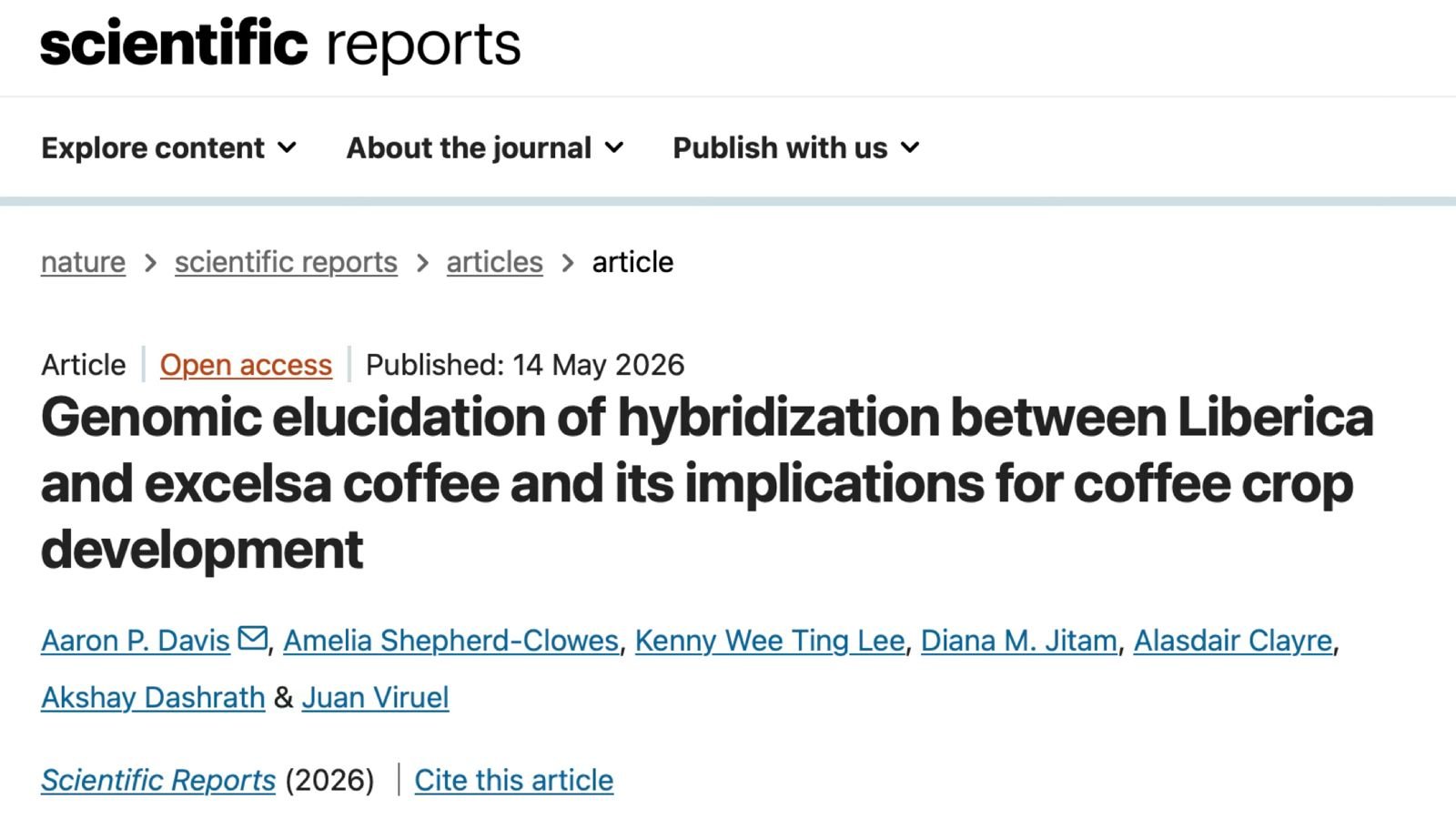
A new member has now been added to the coffee crop family. Through our collaboration with Dr. Aaron Davis and his team at the Royal Botanic Gardens, Kew, we have confirmed — through both morphological characterisation and genomic evidence — the existence of hybridisation between two coffee species: Coffea liberica (Liberica) and Coffea dewevrei (Excelsa).
This formal recognition of the hybrid population may help address several long-standing limitations associated with standard Liberica, including lower productivity, thick fruit pulp and parchment layers, processing difficulties, roasting challenges, and flavour profiles that are often less approachable for mainstream consumers.
Following academic naming conventions, we proposed to name this hybrid Coffea × libex, and informally, Libex coffee.
What Makes This Discovery Significant
What makes this discovery particularly significant for us is that Sarawak, in East Malaysia (northern Borneo), appears to be the region with the highest known concentration of Libex cultivation. As such, the findings are deeply relevant to the Malaysian coffee sector, and they also help explain a long-standing phenomenon — one that many of us working closely with Liberica coffee in Southeast Asia, especially Malaysia, have observed but could not fully explain within existing frameworks of coffee science.
As a coffee science enthusiast, I have visited well over a hundred coffee farms, both locally and internationally. Around 2016, when I first began working closely with indigenous coffee growers in Sarawak, I noticed that the Liberica grown here seemed different. It diverged noticeably from the Liberica I had encountered in Peninsular Malaysia.
These differences were not limited to plant morphology — tree structure, fruit size, and form — but extended clearly into cup profile. Any experienced cupper could easily distinguish between what we might call "standard Liberica" from Peninsular Malaysia and the Liberica from Sarawak. I was struck by the fact that Sarawak's so-called Liberica exhibited dry aromatics more reminiscent of Arabica, with more pronounced nutty and chocolate notes — flavour characteristics I had never encountered in Liberica from the peninsula.
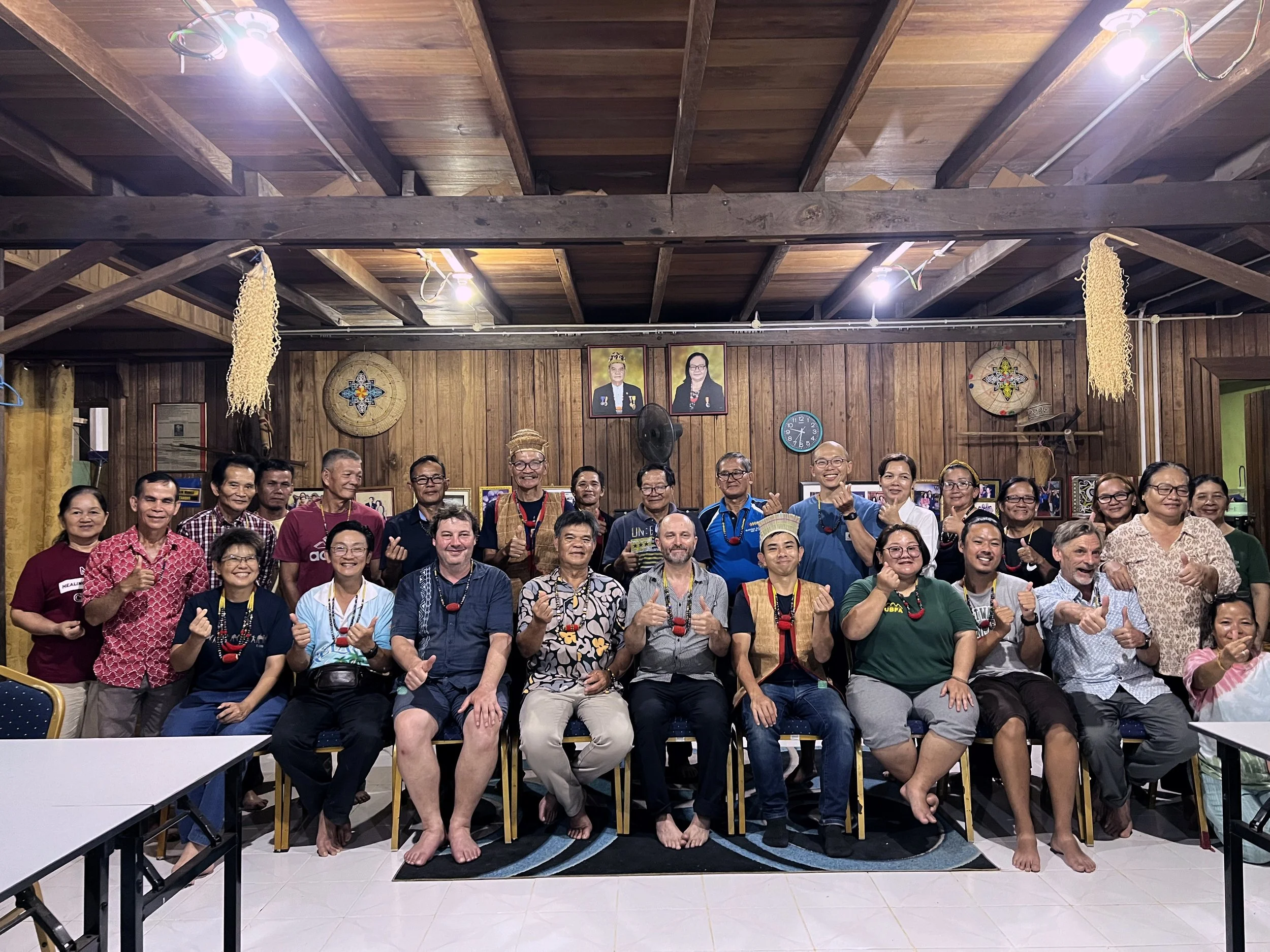
In Sarawak, Liberica is primarily cultivated by indigenous Austronesian communities — Bidayuh, Iban, Kenyah, Kayan, Saban, and Kelabit — living in both remote rainforest regions and peri-rural areas. Traditionally, coffee here was grown for local consumption within village communities, in contrast to the plantation-based systems of Peninsular Malaysia.
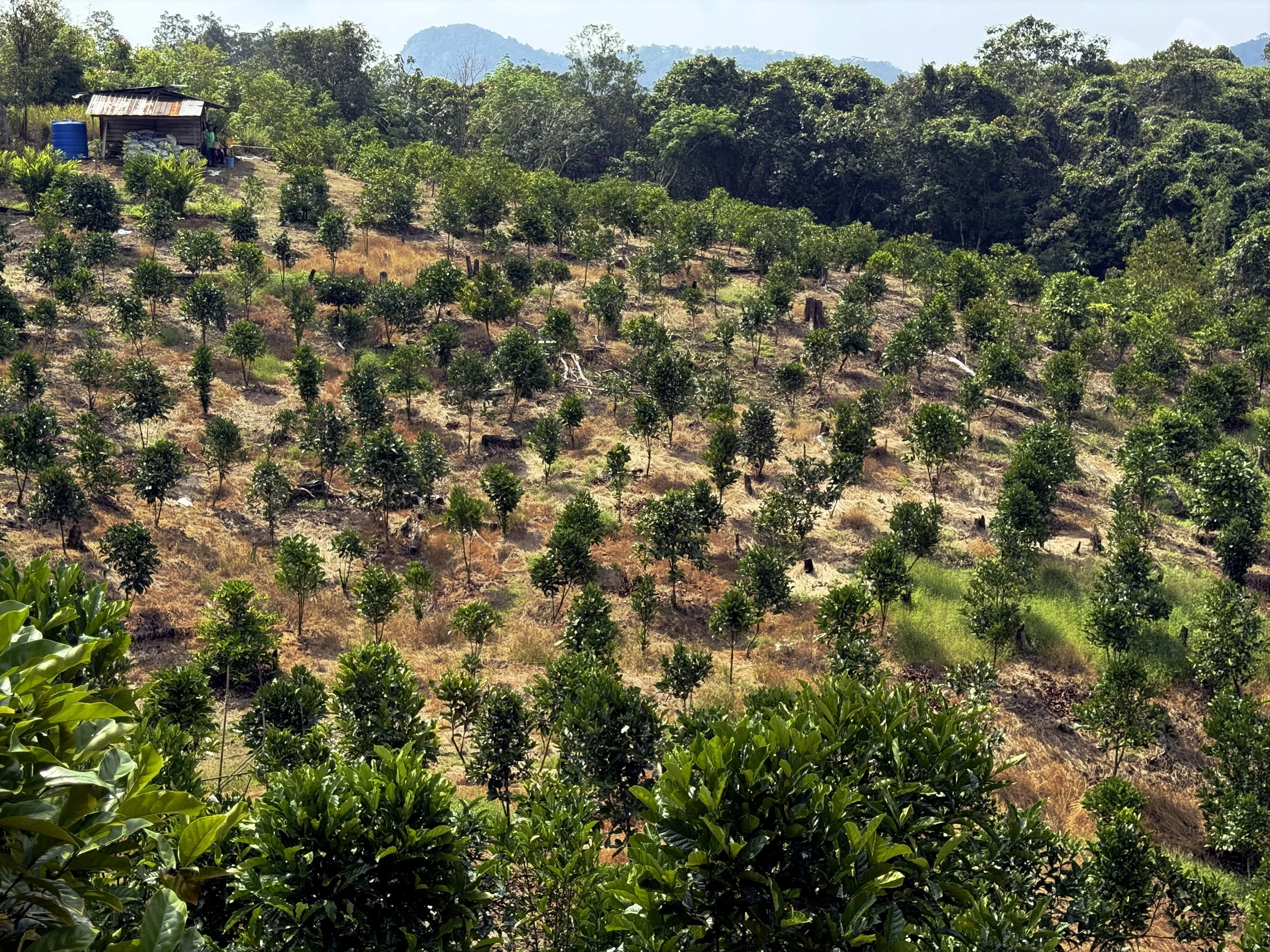
I recall that during my early visits to the Baram highlands, many local communities even insisted that what they were growing was Arabica. However, whenever I entered their farms deep in the rainforest, what I saw was neither Arabica nor Robusta (C. canephora), but rather a coffee type that resembled Liberica.
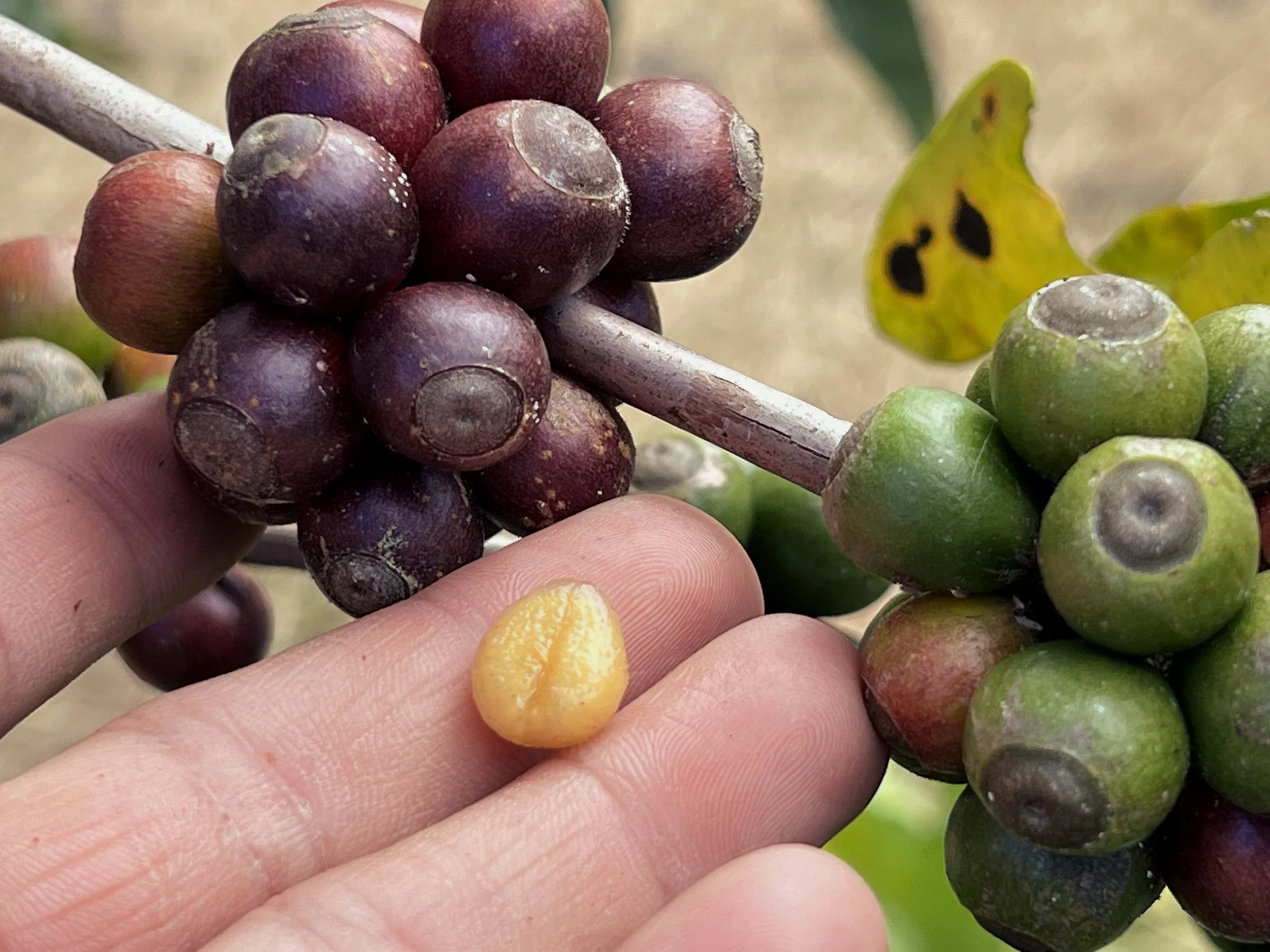
Many of these trees bore noticeably smaller fruits, and the seeds differed from standard Liberica. Instead of the elongated, almond-like shape typical of Liberica, they were often more teardrop-shaped. It is therefore not surprising that these plants were frequently misidentified as Arabica — by local farmers and even by official agricultural bodies.
Yet, judging from the large tree stature and leaf morphology, it was clearly not Arabica. At one point, I suggested to the anthropologist Alasdair Clayre — who first brought us into the Upper Baram region — that these plants might be hybrids between Robusta and Liberica, or perhaps a variant of pure Liberica, or even Excelsa (C. dewevrei).
Subsequent genomic evidence has shown that all of these initial assumptions were incorrect.
A System Hidden in Plain Sight
What I had observed from the beginning was that this "Liberica-like" coffee in Sarawak displayed an extraordinary level of variation — even within a single farm. Differences appeared across nearly every observable trait: leaf morphology, number of petals, fruit size and colour, yield performance, and cup profile.
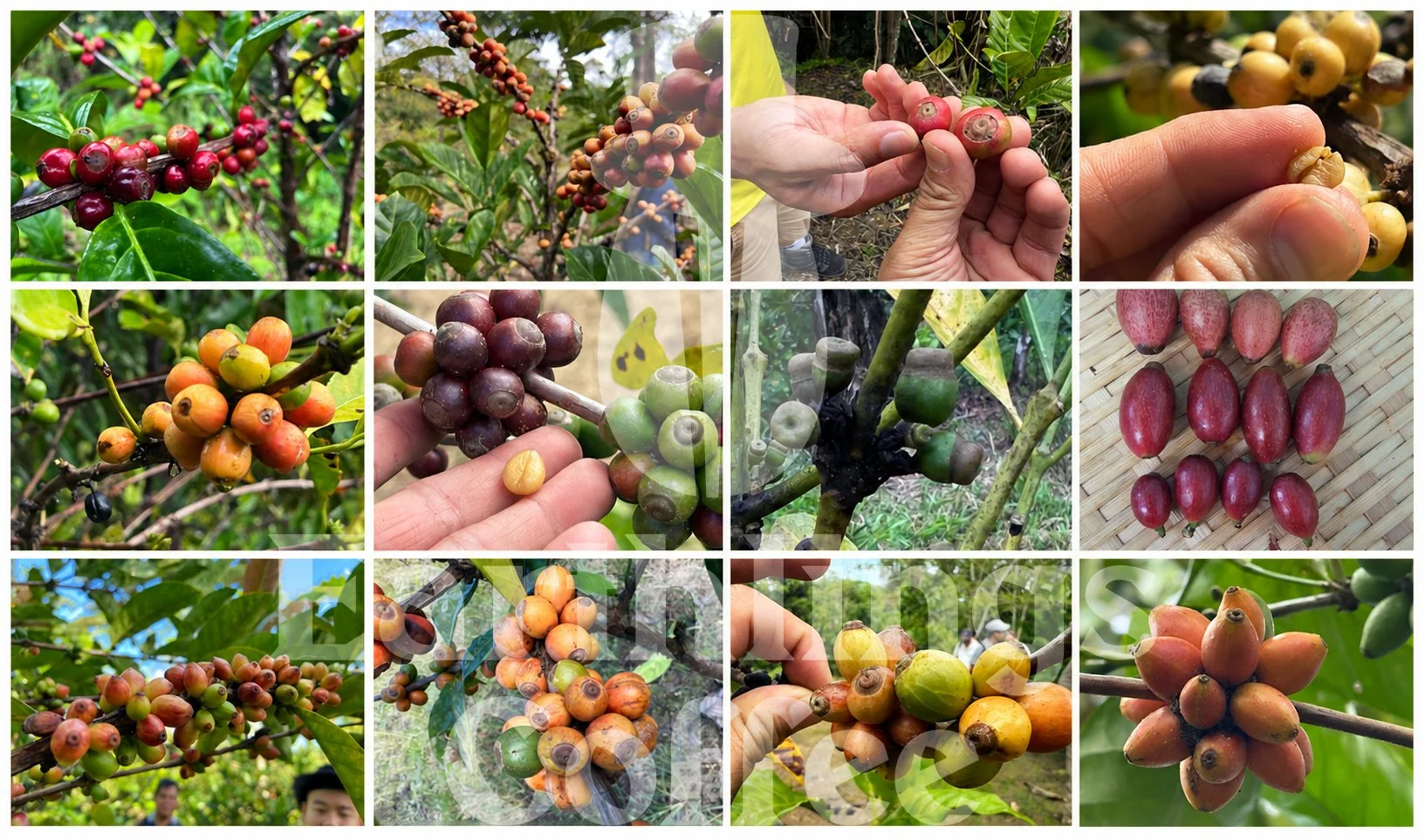
Red, orange, yellow, and even purple cherries; large fruits, small fruits, elongated fruits, bud-shaped fruits; variation in seed shape, petal number, and tree architecture — all could be found within the same growing area.
The degree of variation exceeded even that seen among different cultivars within Arabica. These patterns could not be adequately explained by existing taxonomic or agronomic frameworks. In some cases, local farmers even regarded these trees as inconsistent and difficult to standardise, particularly in post-harvest processing.
For those of us working closely with farmers, processors, and local communities, these observations gradually pointed toward a more fundamental question: what we were dealing with might not simply be "variation," but an as-yet unrecognised system.
If farmers are to invest the next 30 years cultivating these trees, how could we not know what they actually are?
It was under this context that I began, quite deliberately, to collect different variants from coffee farms across the Sarawak rainforest. I also travelled to Europe on multiple occasions to conserve these materials in botanical gardens with which we collaborate. These scattered and long-term field efforts eventually converged into the foundation of this study: "Hybridisation between Liberica and excelsa coffee and its implications for coffee crop development."
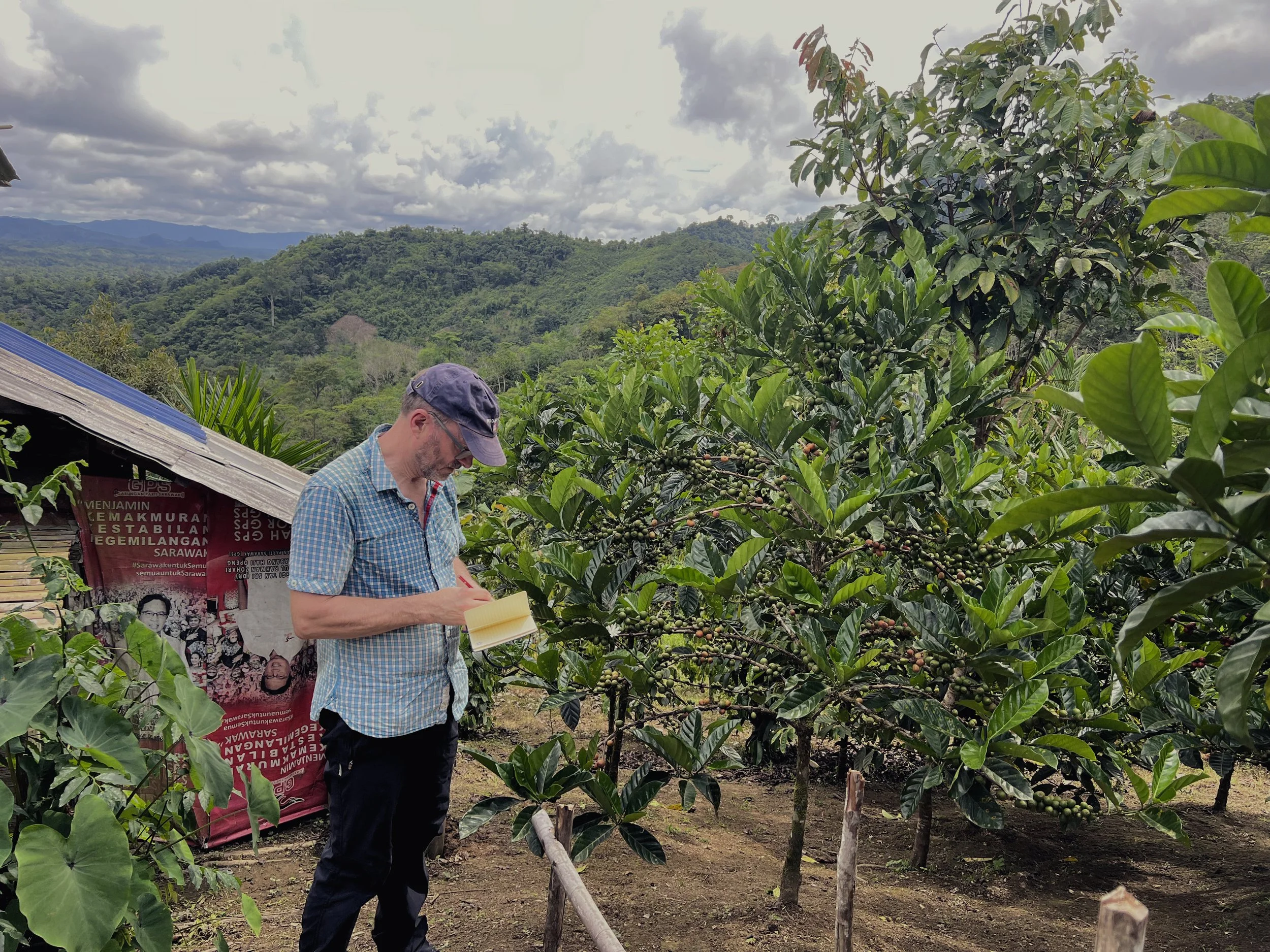
Much of this work would not have been possible without Dr. Aaron Davis, who recognised the significance of our sample collection efforts. Together with the team at Kew, he spent nearly three years translating our long-term field observations into concrete scientific evidence. During this period, he also visited Sarawak twice in person, joining me in field expeditions across multiple growing regions in Upper Baram. The level of rigour and care in the sampling process was exceptional.
As one might imagine, working in one of the world's oldest tropical rainforest regions, fieldwork here can be as unpredictable as it is rewarding. A few months ago, my partner, Rave Sun Kwok, was injured when a boat capsized in the fast-moving upper reaches of the Puak River. Fortunately, the injuries were not fatal, and we are especially grateful to the local Kenyah and Sa'ban indigenous communities for their timely assistance and support.
What Did the Study Reveal?
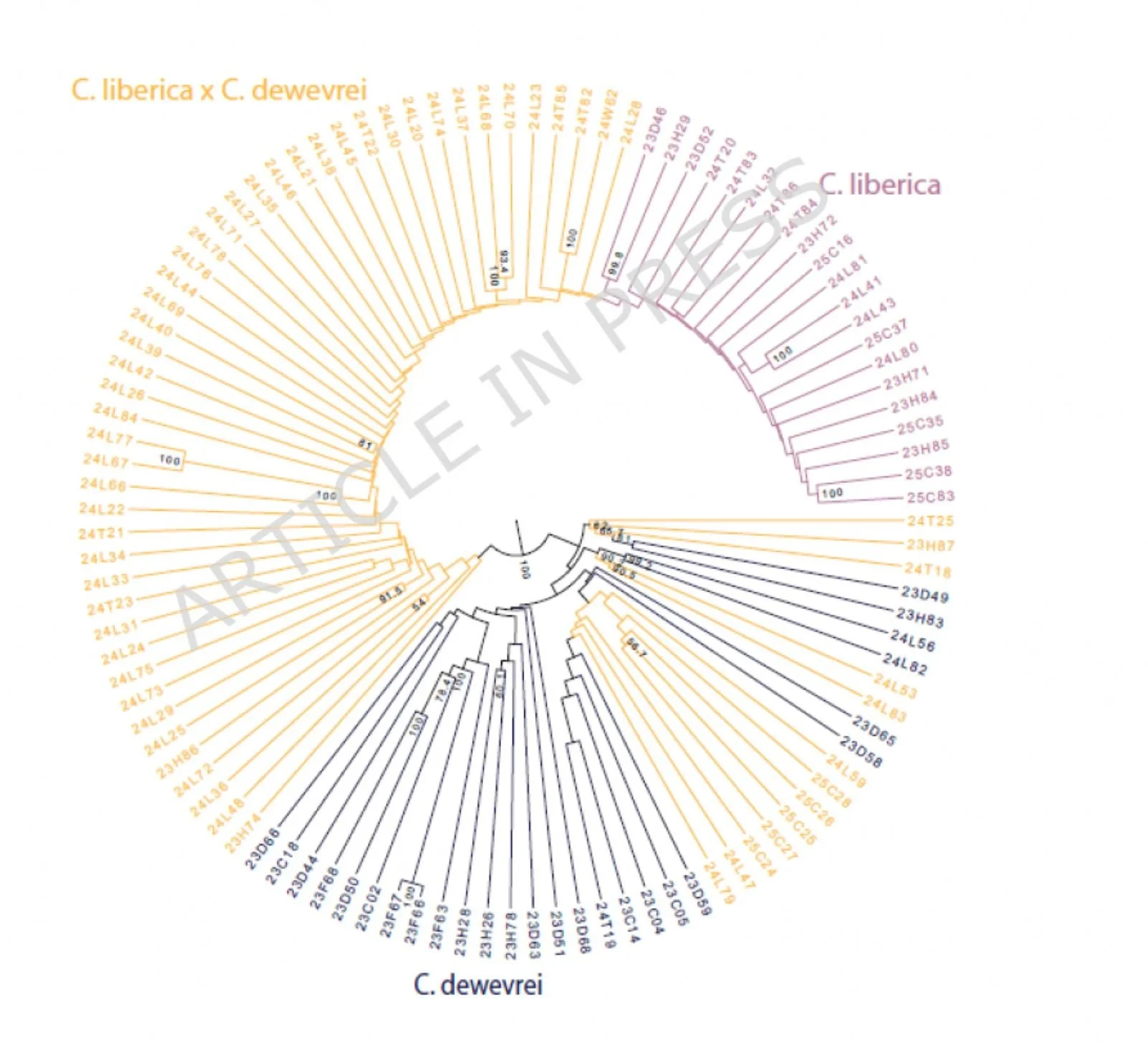
This study analysed 113 coffee samples from three continents, using over 7,000 SNP markers, and for the first time confirmed at the molecular level that hybridisation does indeed occur between Coffea liberica and Coffea dewevrei (Excelsa).
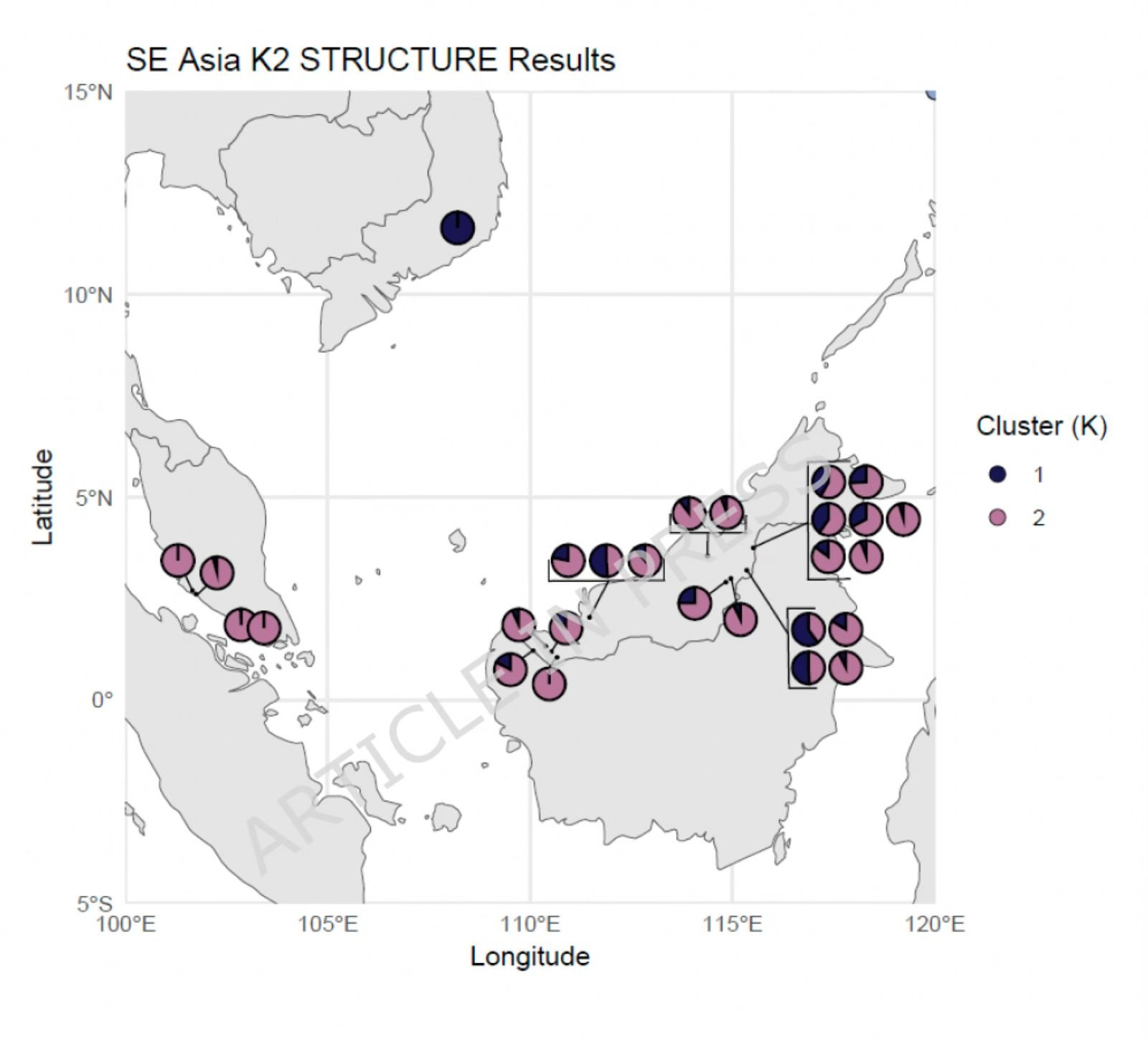
Notably, among the 45 samples collected from Sarawak, 40 showed the presence of Excelsa genetic material — clearly demonstrating the extent of diversity within this population.
Phenomena that had long been inferred based on morphology and field experience are now supported by genomic evidence. More importantly, the study shows that these hybrids are not rare or incidental.
In Sarawak, much of what has traditionally been identified as "Liberica" in practice contains varying degrees of Excelsa genetic contribution. This shifts Sarawak from being a peripheral case in coffee biology to a key region for understanding the future development of Liberica.
At the same time, the proportion of admixture varies significantly across regions within Sarawak. The genomic data suggest that most plants are still predominantly aligned with standard Liberica, but with a measurable degree of genetic input from Excelsa (C. dewevrei).
In contrast, the situation in India appears quite different — the proportion of Excelsa admixture there is generally higher.
Yes — India also has a wide range of Liberica-like hybrids. I recall that in 2019, during a visit to Chikkamagaluru, one of the major coffee-growing regions in southern India, we showed photos of Sarawak's Liberica variants to the director of a local coffee research institute. He glanced at them briefly and said, "We have all of these — and more."
At the time, I could not verify whether that claim was entirely accurate. However, with the current genomic evidence, we can now say with confidence that the Liberica hybrids in India are not the same as those in Sarawak. The Indian populations clearly contain a higher proportion of Excelsa genetic contribution.
Why do these differences exist? The answer is likely not a single factor, but a combination of several influences: the types of planting material originally introduced into each region, the relative abundance of species under cultivation, opportunities for further hybridisation, and environmental selection pressures that favour certain traits.
In the case of Sarawak, current evidence suggests that the coffee population likely originates from at least two sources: one consisting of relatively pure Liberica, and another already exhibiting hybrid characteristics. In addition, we have observed plants that appear very close to first-generation (F1) hybrids.
Where Did These Libex Hybrids Come From?
At this point, we inevitably arrive at a fundamental question: if hybrids between Liberica and Excelsa exist across three continents, then where did the Libex populations in Sarawak — those with a stronger Liberica genetic bias — originally come from?
According to Dr. Aaron's analysis, Coffea liberica was introduced to Malaysia multiple times during the nineteenth century. In contrast, C. dewevrei (Excelsa) was only recognised by science at a later stage, and there are no clear historical records indicating that it was introduced into Sarawak during the early period.
However, during the mid to late twentieth century, there was extensive global exchange of coffee germplasm. As a result, hybrids such as C. liberica × C. dewevrei, or even C. dewevrei itself, may have been introduced during that time. It is also possible that these materials arrived more recently — within the past few decades — from neighbouring regions.
The Philippines is one potential source, as both species are cultivated there to some extent. In addition, we have identified C. liberica × C. dewevrei among cultivated samples from Indonesia and Vietnam, suggesting multiple possible origins of introduction.
In my earlier writings on the history of coffee in Sarawak, I noted that according to archival records from the Department of Agriculture Sarawak, Charles Brooke officially introduced several crops in 1875, including coffee from Liberia, as well as cocoa and oil palm.
Given that C. liberica × C. dewevrei was only recognised by science towards the end of the nineteenth century, it is highly likely that what was introduced during the Brooke era was standard Liberica. Libex, therefore, was most likely introduced at a later stage.
It is also important to note that in the wild, the native populations of C. liberica and C. dewevrei in Africa are separated by at least 1,000 kilometres. Natural hybridisation between them would therefore be extremely unlikely. This suggests that hybridisation most probably occurred in cultivated environments elsewhere, before being introduced into Sarawak.
That said, we have also discussed another possibility — one that I personally find more compelling, if somewhat more romantic: that some of these hybrids may have formed locally in Sarawak over time.
In their native regions and in other seasonal environments, both C. liberica and C. dewevrei are seasonal flowering plants, with relatively short and well-defined flowering periods each year. Under such conditions, opportunities for natural hybridisation are limited.
However, in equatorial rainforest environments like Sarawak, where rainfall is distributed throughout the year, flowering cycles become far less synchronised. Trees may flower almost continuously, creating frequent opportunities for cross-pollination between different plants. Of course, this remains a hypothesis that requires further evidence.
A key issue, however, is that in Sarawak — apart from pure C. dewevrei that we ourselves have introduced in recent years from Vietnam and India — there has been no confirmed presence of pure C. dewevrei in traditional growing areas.
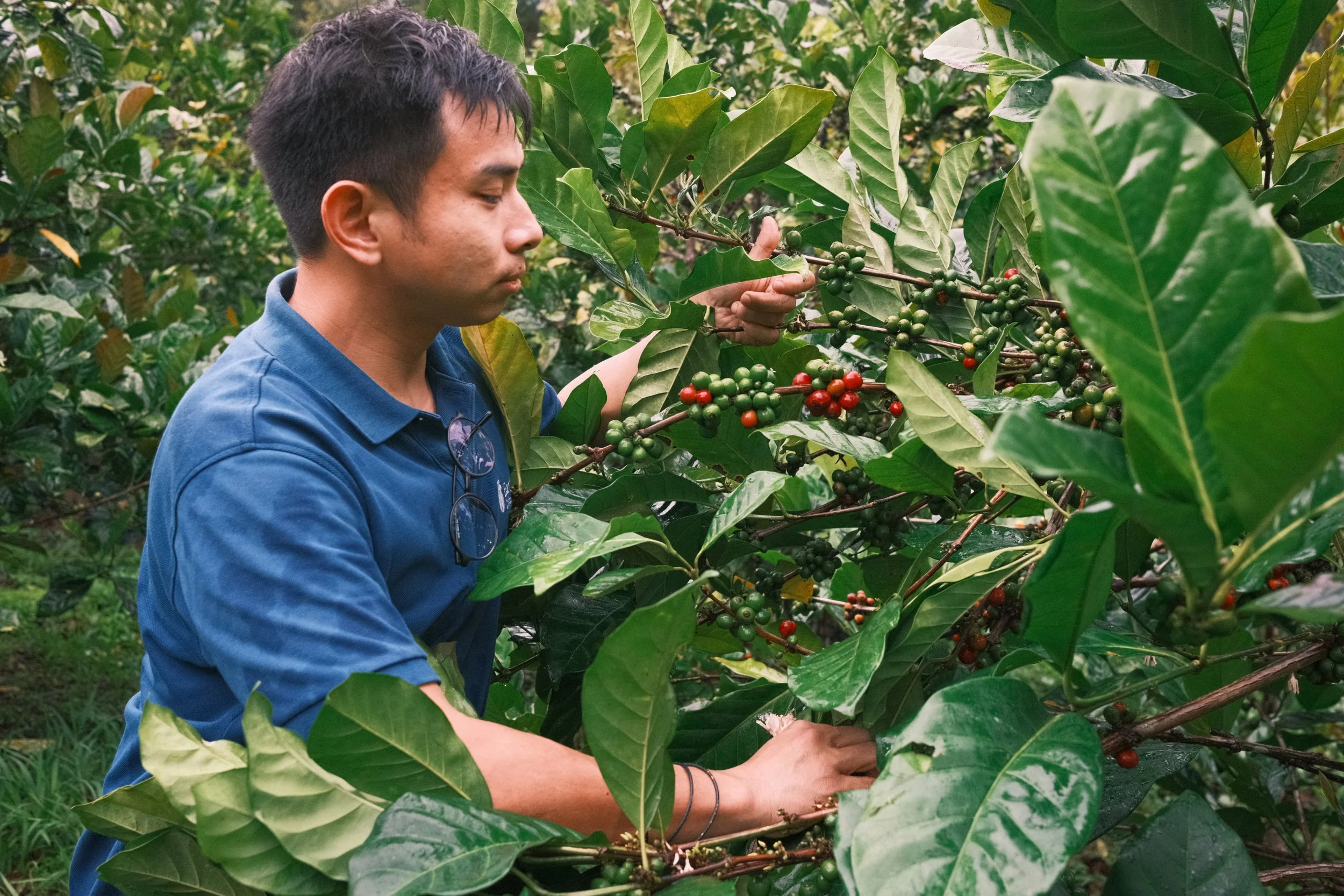
In fact, as early as 2023, Dr. Christophe Montagnon, former Director of Research at World Coffee Research, analysed multiple Sarawak Liberica samples that I had collected and did not detect a single case of pure C. dewevrei.
Our new study confirms the absence of C. dewvrei in Sarawak.
If we are to argue that hybridisation between C. liberica and C. dewevrei occurred locally in Sarawak, then the prior presence of C. dewevrei would have to be established.
It is possible that earlier introductions of Libex-like material into Sarawak remain undocumented or buried in historical records. After all, at the Tarat experimental station — less than 50 kilometres from Kuching — there are dozens of Libex trees already around 45 years old. In recent years, there have also been occasional reports of border authorities intercepting the smuggling of coffee seedlings from Kalimantan into Sarawak.
In any case, much of this remains part of an unresolved and still unfolding history. What is clear, however, is that regardless of their origin, Sarawak has already emerged as one of the world's most significant regions for Libex cultivation. And perhaps more importantly, there are now more immediate and pressing questions ahead of us.
Implications for Coffee Crop Development
The discovery of Liberica × Excelsa hybrids carries significance far beyond a taxonomic update. From an agronomic perspective, it points toward a potentially important pathway for the future development of coffee as a crop.
These hybrids may offer increased yield through a higher number of flowers and fruits per node.
Their comparatively thinner pulp and parchment layers could improve processing efficiency.
They appear capable of maintaining stable production across a wider range of climatic conditions.
In the context of a global coffee industry increasingly threatened by climate change, these implications are self-evident. One might ask: if a high-quality coffee population could thrive under high temperatures and humidity, across a broad range of altitudes, could this become a viable alternative for coffee producers worldwide?
Current observations suggest that Libex can adapt to growth at sea level — an advantage over Excelsa — while also demonstrating higher productivity and better seed-to-bean conversion rates than standard Liberica. In this sense, it represents a hybrid with considerable agronomic potential.
This aligns with findings from another study we conducted with Dr. Aaron's team, "Climate requirements for cultivated Liberica coffee (Coffea liberica) and consequences for its use and development as a crop species," which suggests that standard Liberica may not be particularly well-suited to the high-humidity conditions of Sarawak. Yet the reality in Sarawak indicates that Libex, to some extent, has overcome this limitation.
From a flavour perspective, our observations over the years suggest that Libex may establish a new balance between the intense tropical fruit characteristics of Liberica and the darker dried-fruit and chocolate notes typically associated with Excelsa — a balance that could make it more accessible and appealing to contemporary specialty coffee markets.
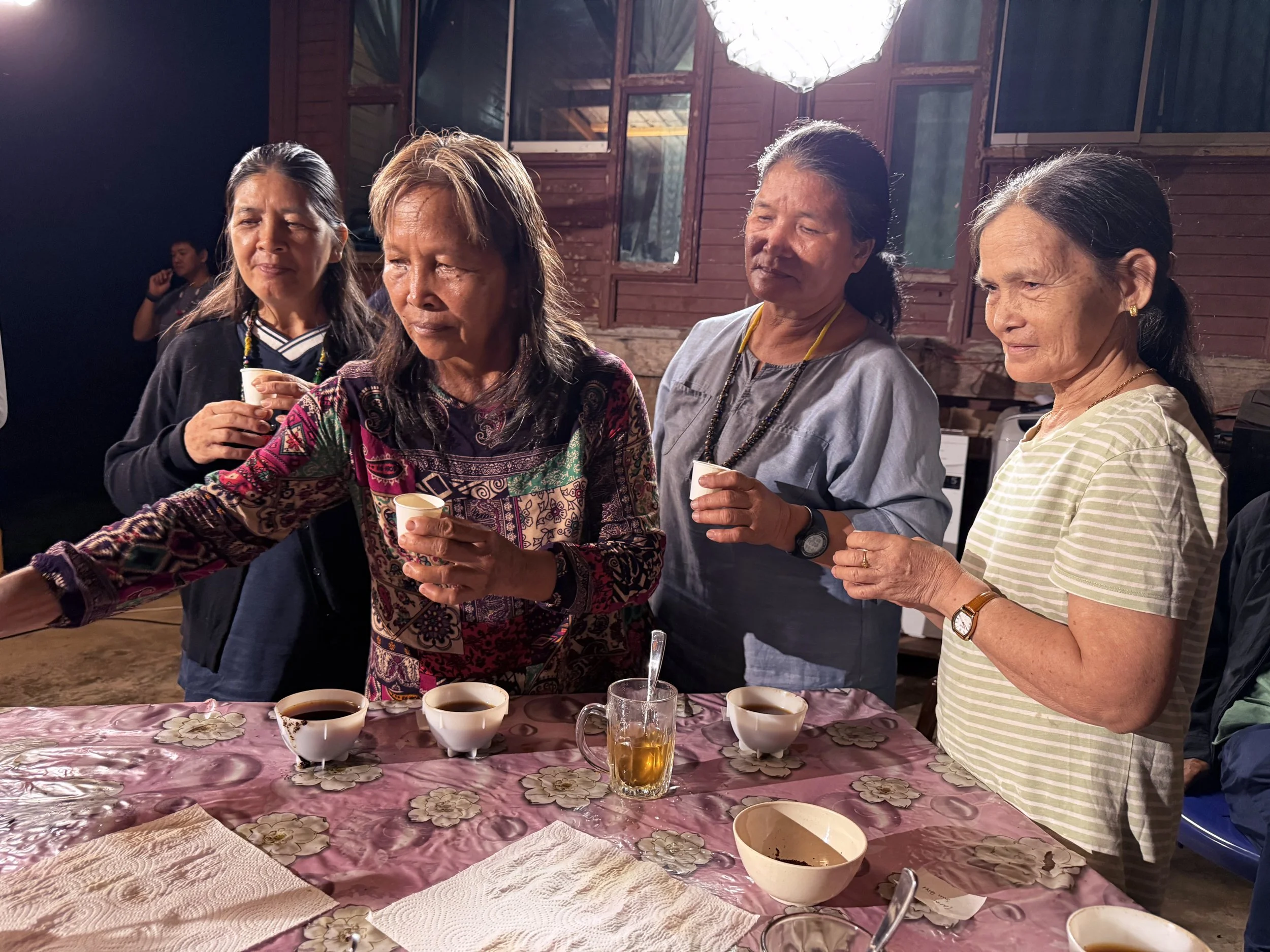
Our work in this area began relatively early. In 2019, Earthlings Coffee, in collaboration with Q Cup Coffee Roaster, organised what was likely the world's first Liberica roasting competition. With the support of Dr. Steffen Schwarz from Coffee Consulate, we also compiled sensory descriptors from professional evaluators worldwide, producing the first Liberica flavour manual.
More recently, at the Borneo Coffee Symposium 2025, we co-organised a Liberica team brewing competition together with the ASEAN Coffee Federation (ACF).
In fact, we now know that the coffees used in both of these competitions were Libex hybrids.
Over the past few years, we have also introduced Libex to various international markets — including Europe, China, Taiwan, Japan, Singapore, and Thailand — where it has received encouraging feedback at specialty coffee events. Notably, Blue Bottle Coffee also visited Sarawak recently in search of new coffee origins.
In 2025, across the South China Sea, MyLiberica estate owner Jason Liew and barista Jason Loo from Peninsular Malaysia achieved recognition at the World Barista Championship — further demonstrating the flavour potential of the Liberica family on the global stage.
Taken together, these accumulated market experiences have provided a strong signal of Libex's potential for broader acceptance.
Looking Ahead: The Future Through the Lens of Libex
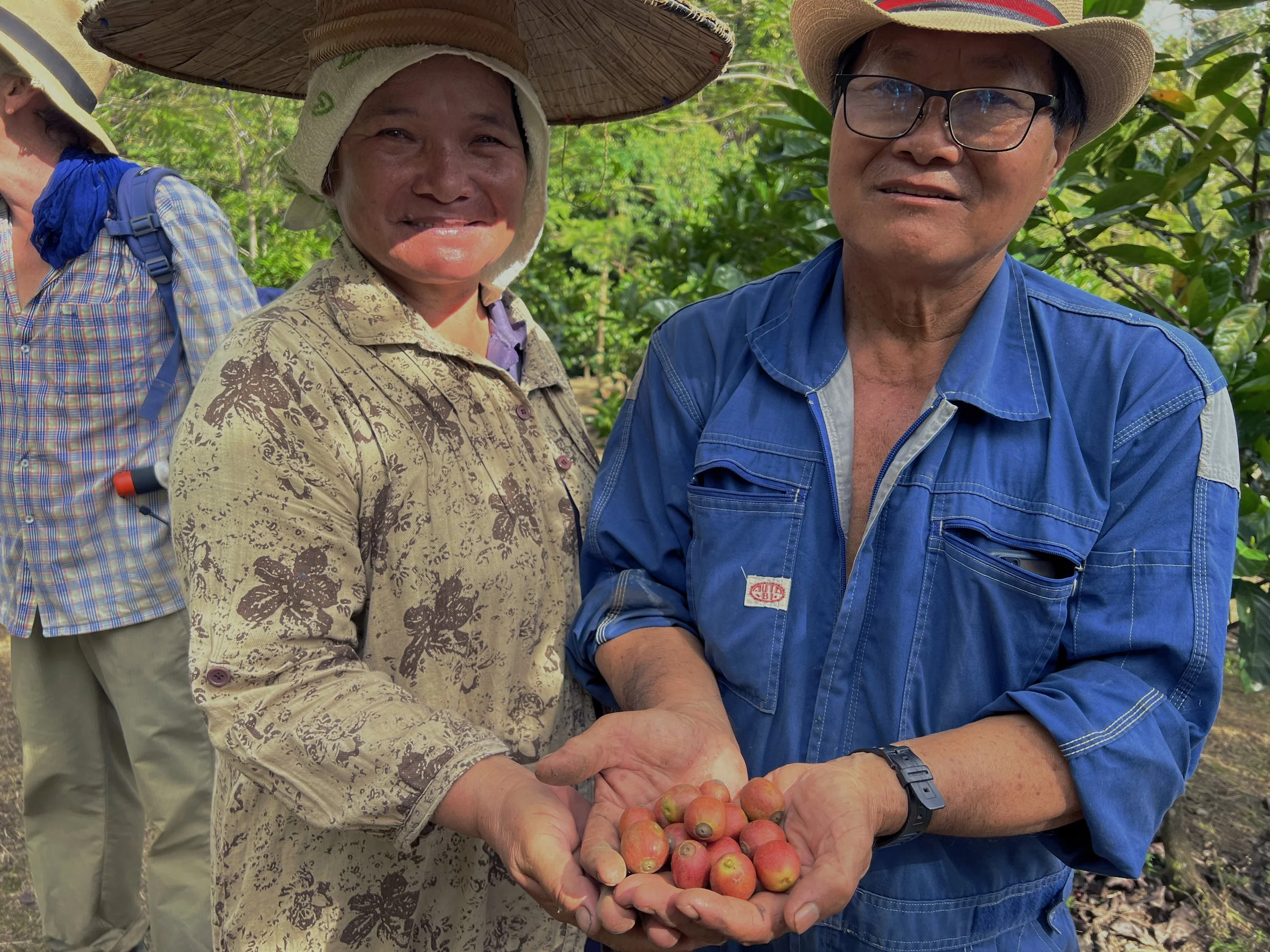
The confirmation of Liberica × Excelsa hybridisation not only expands the scientific understanding of Liberica as a coffee species, but also has broader implications for the global coffee landscape. It repositions Southeast Asia — particularly Malaysia — as an increasingly important region in the future development of coffee.
Domestically, it is also likely to reshape Malaysia's coffee map.
Historically, Liberica has been undervalued and often reduced to a simplistic notion of "large-fruited coffee." Yet within what has long been grouped under Liberica, there has always been the possibility of multiple distinct taxa.
This was formally addressed in 2025, when Dr. Aaron Davis and his team published a paper in Nature Plants — "Genomic data define species delimitation in Liberica coffee with implications for crop development and conservation" — which proposed the separation of what was previously considered C. liberica into three distinct species: C. liberica, C. klainei, and C. dewevrei (Excelsa). With this revision, the total number of recognised coffee species increased from 131 to 133.
Within these species, it is highly likely that many additional varieties — and hybrids such as Libex — remain to be identified. We can expect further discoveries and refinements in the years ahead.
In this context, the long-held view of Malaysia as the world's largest Liberica-producing country may also evolve. Looking forward, Peninsular Malaysia may continue to focus on standard Liberica and selected lines such as the MARDI MKL series, while East Malaysia — particularly Sarawak — emerges as a central region for Libex.
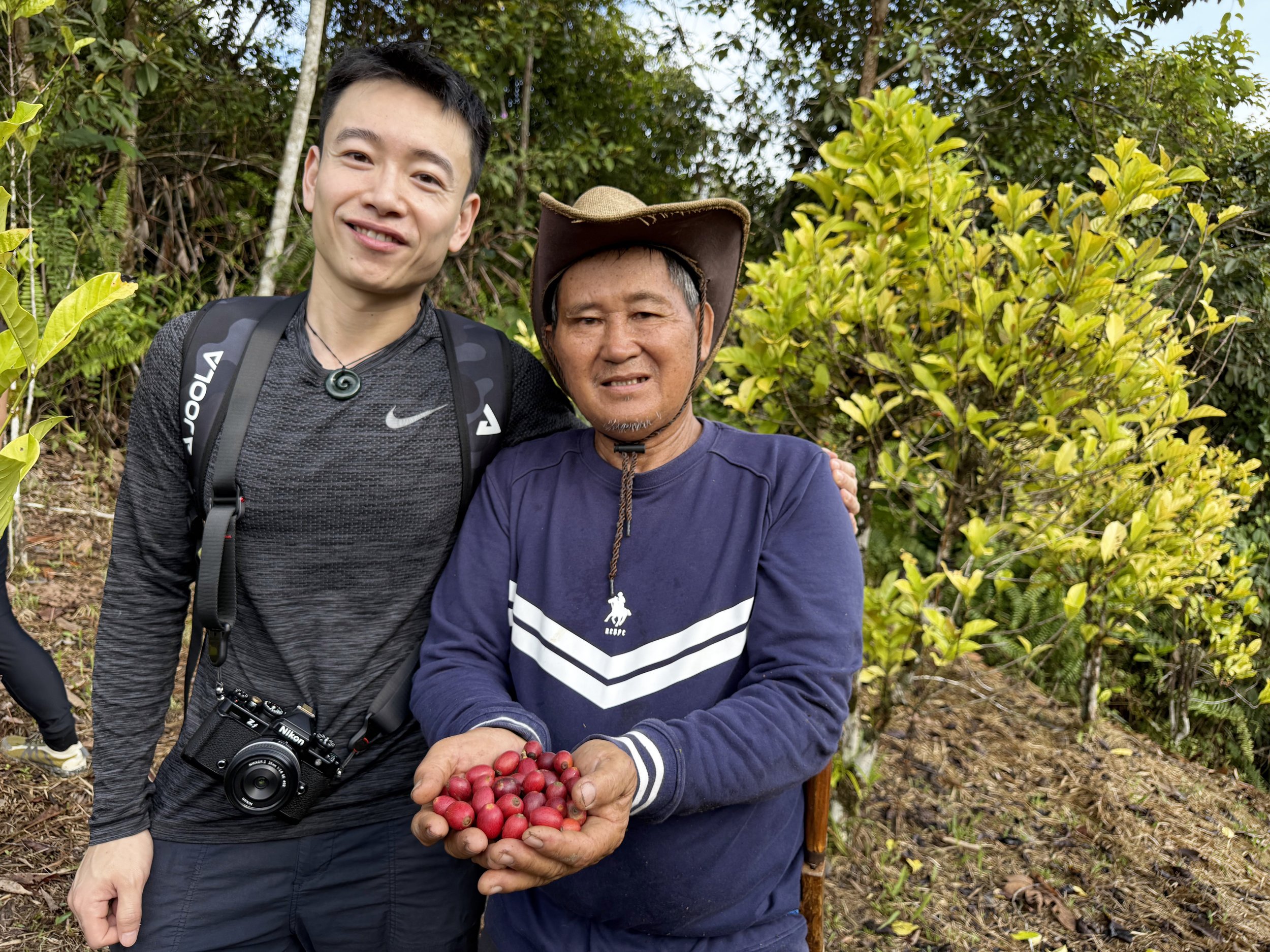
From a commercial and terroir-driven perspective, this form of crop diversification — where regions develop distinct specialisations — may prove to be an advantage rather than a limitation.
Furthermore, with the active promotion of Libex cultivation by the Sarawak Department of Agriculture, from rural interiors to peri-urban areas, Sarawak has already become the largest Libex-producing region in the world. Among the independent smallholders we currently work with under the Sarawak Liberica Refinement Project, there are more than 700 farming households, alongside the emergence of larger estates spanning thousands of acres.
In this sense, it is not difficult to envision Malaysia becoming the leading producer of Libex in the near future.
For us, the completion of this body of research does not mark an endpoint, but rather the beginning of a new phase. Work of this nature depends fundamentally on close collaboration between scientific institutions and field practitioners.
While genomic tools provide the means for validation and analysis, many of the key questions — and crucial insights — originate from long-term field experience: working with farmers, observing plant behaviour, processing coffee, and evaluating flavour.
At present, Libex cultivation in Sarawak still faces a number of challenges, including the spread of anthracnose disease, the difficulty of controlling fermentation under hot and humid rainforest conditions, the ageing of planting populations, and the gradual decline of indigenous communities in interior regions.
Looking ahead, several areas of work will be critical:
Establishing classification and grading systems for these hybrids
Selecting and propagating promising genotypes
Conducting multi-location and multi-climate field trials
Deepening research on flavour outcomes across different processing methods
Strengthening connections between farmers, researchers, and the market
These efforts are already underway through collaborations with the Department of Agriculture Sarawak, the Agricultural Research Centre Semongok, the Royal Botanic Gardens, Kew, and market partners such as Coffee Consulate.
If carried forward effectively, this line of research has the potential not only to redefine Liberica, but to reshape our understanding of the future of coffee as a whole.
How Should We Define and Describe Libex?
This study Genomic elucidation of hybridization between Liberica and excelsa coffee and its implications for coffee crop development, published in Scientific Reports (Nature Portfolio), adopts a rigorous methodological approach. The analysis is based on 7,618 single nucleotide polymorphism (SNP) markers, genetic structure analysis (STRUCTURE analysis), and Principal Coordinates Analysis (PCoA clustering). The results clearly separate Coffea liberica and C. dewevrei, with hybrid populations positioned between them. In other words, this is not merely a case of visual resemblance — it is supported by robust genomic evidence.
Importantly, the study does not rely solely on DNA data. Morphological traits — including seed size, parchment thickness, and field observations — consistently point to the same conclusion: the presence of hybridisation and introgression.
From a scientific standpoint, Libex can be referred to as Coffea × Libex. It is not a variety or cultivar of C. liberica, but an interspecific hybrid population with introgression. By analogy, in the context of Arabica, Libex occupies a role similar to that of Hybrid de Timor.
Libex is a hybrid between Liberica and Excelsa, sometimes sharing equal genomic admixture, or with a bias towards one of the parental species.
Morphological Reference: Seed and Parchment Traits
The following measurements provide a reference for distinguishing Libex from its parent species based on observable physical traits.
Seed Length
C. dewevrei: 4.9–12.7 mm (mean 8.4 mm)
C. liberica: 6.2–18.3 mm (mean 11.85 mm)
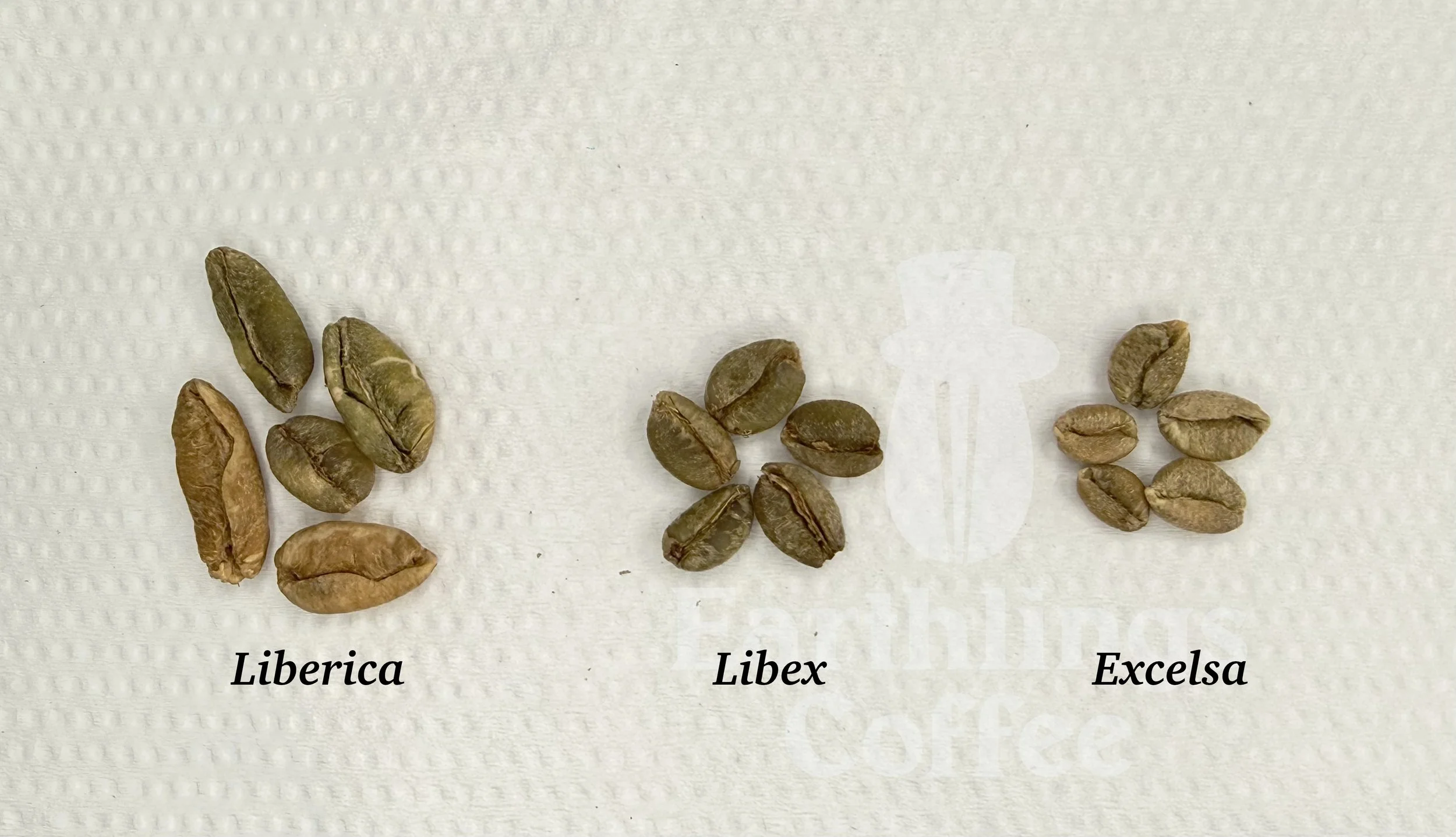
Libex: 4.9–12.7 mm (mean 10.27 mm)
Seed Width
C. dewevrei: 3.4–8.5 mm (mean 6.0 mm)
C. liberica: 5.0–12.0 mm (mean 7.51 mm)
Libex: 3.4–8.5 mm (mean 7.15 mm)
Parchment Thickness
C. dewevrei: 0.14–0.59 mm (mean 0.27 mm)
C. liberica: 0.43–0.77 mm (mean 0.59 mm)
Libex: 0.18–0.77 mm (mean 0.44 mm)
A Practical Working Definition
In many real-world farming contexts, Libex and standard Liberica are often grown together, making clear classification challenging.
As a working reference for Sarawak, we propose that a coffee plant may be considered “Libex” if it contains more than 10% Excelsa genetic contribution, and vice versa. This threshold should be understood as a practical guideline rather than a strict rule.
Under this framework, we suggest that producers and sellers in Sarawak gradually adopt clearer terminology to distinguish between Liberica and Libex. Such differentiation is not only important for scientific classification but also beneficial for the market—allowing buyers and consumers to better understand and select based on flavour profiles and characteristics.
Conclusion
For a long time, Liberica has occupied a marginal position within the global coffee industry — often misunderstood, under-researched, and lacking a consistent framework for quality evaluation. Malaysia, despite being the only country with a significant production base of Liberica, has not received the level of recognition its position warrants.
In earlier years, concerned that the diverse forms of "Liberica" in Sarawak might go unnoticed or unprotected, we took steps to safeguard this genetic material. Some accessions were sent to the Wilhelma Botanical Garden in Germany for conservation, while others were preserved within the MyLiberica estate in Peninsular Malaysia.
Today, that narrative is beginning to change.
Research in this direction has the potential to reshape how Liberica is understood. Rather than viewing it as a relic of the past, Liberica can now be seen as a dynamic and evolving system with significant future potential — particularly in the context of climate change and the increasing need for crop diversification.
At the same time, this work contributes to a broader repositioning of Southeast Asia — especially Malaysia — within the global coffee landscape.
Acknowledgements
We would like to express our sincere gratitude to Dr. Aaron Davis and the team at the Royal Botanic Gardens, Kew, for their support in confirming Coffea × Libex in Sarawak. We are also grateful to Diana Jitam, Wendy Luta, and Bebrin Baen from the Department of Agriculture Sarawak for their invaluable assistance. Special thanks to Dr. Steffen Schwarz of Coffee Consulate in Germany, whose guidance over the years has continually encouraged the collection and study of Liberica samples. We would also like to thank Jason of MyLiberica for providing reference samples of standard Liberica, Alasdair Clayre for helping us connect with indigenous communities in the Upper Baram region, and the Earthlings Coffee team, especially Rave Sun Kwok, for their support and collaboration throughout this work. We are especially grateful to Christophe Montagnon for generously sharing preliminary genetic information during the early stages of this research. Finally, we recognise that long before our work began, there were undoubtedly individuals within the Sarawak agricultural system who — whether consciously or not — played a role in introducing these hybrid populations. Their contributions, though unrecorded, deserve to be remembered.