
Two Worlds of Coffee Evaluation

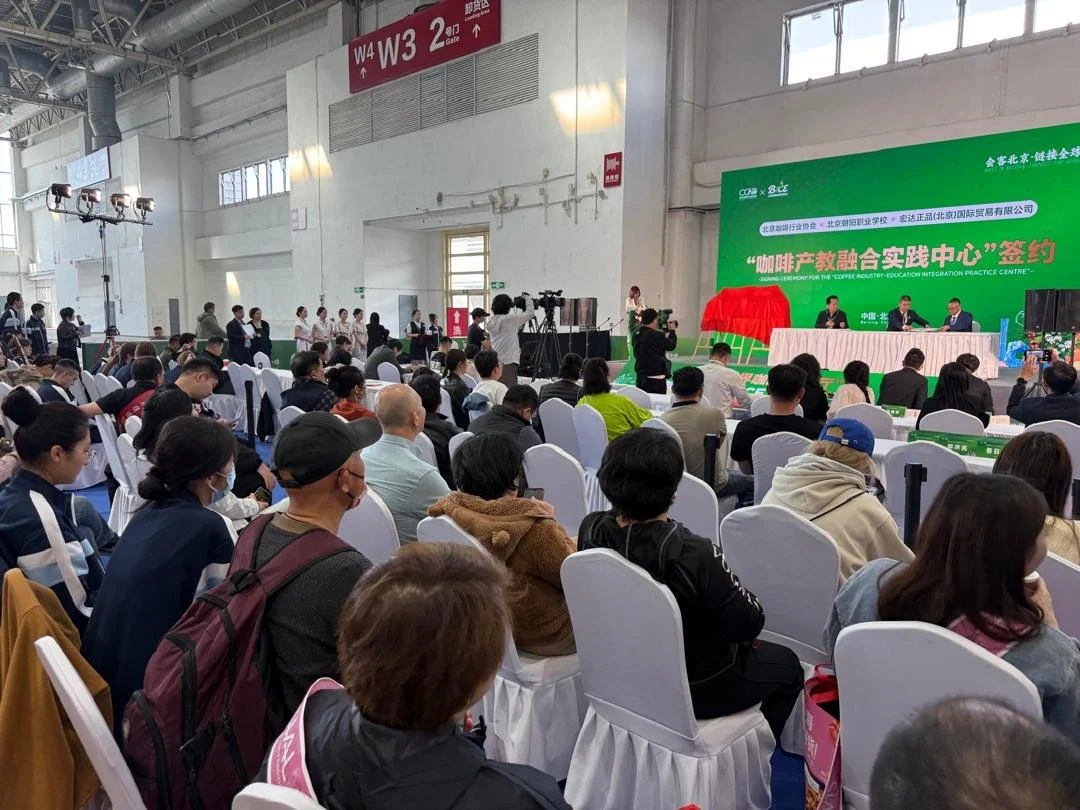

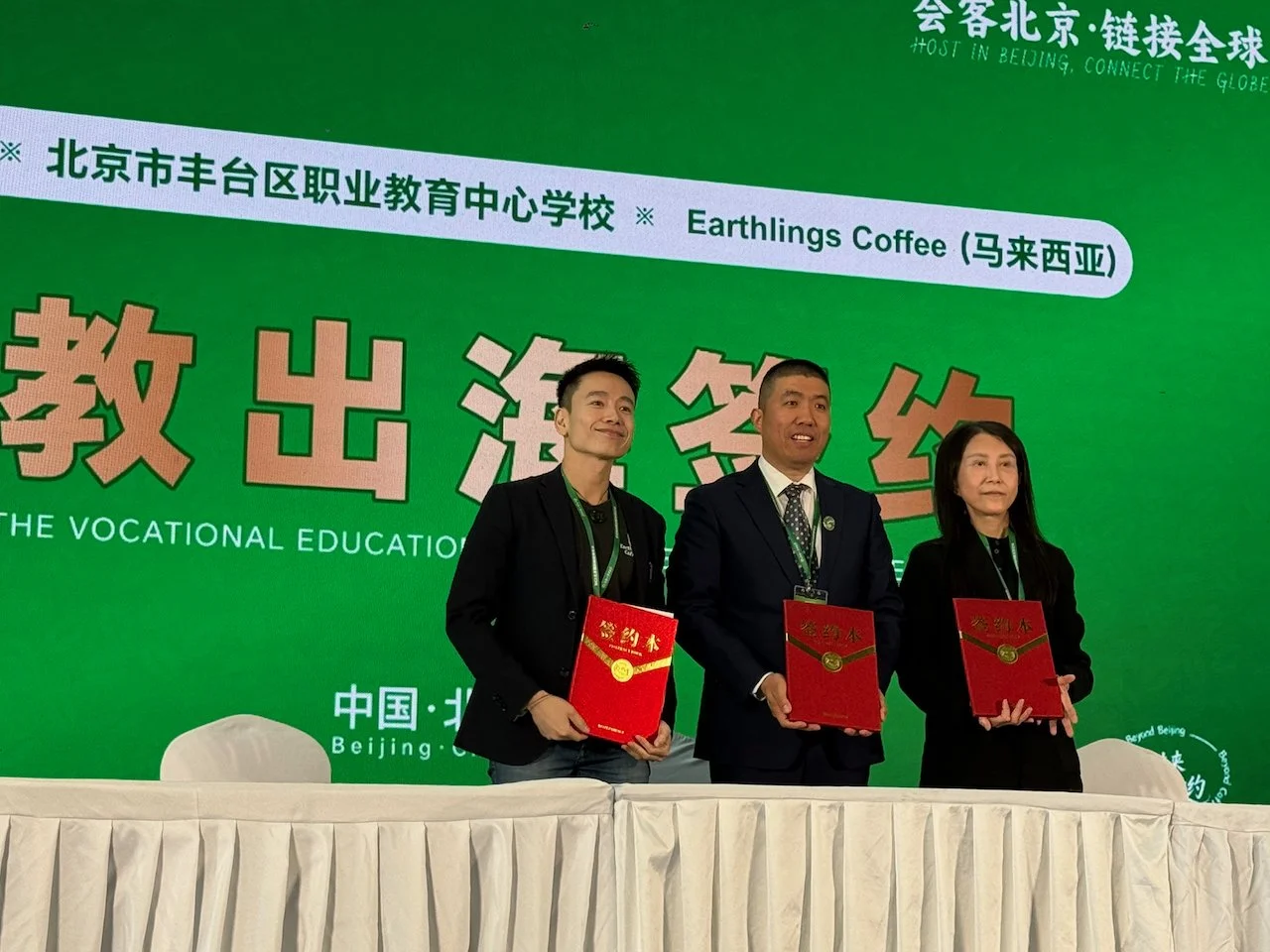
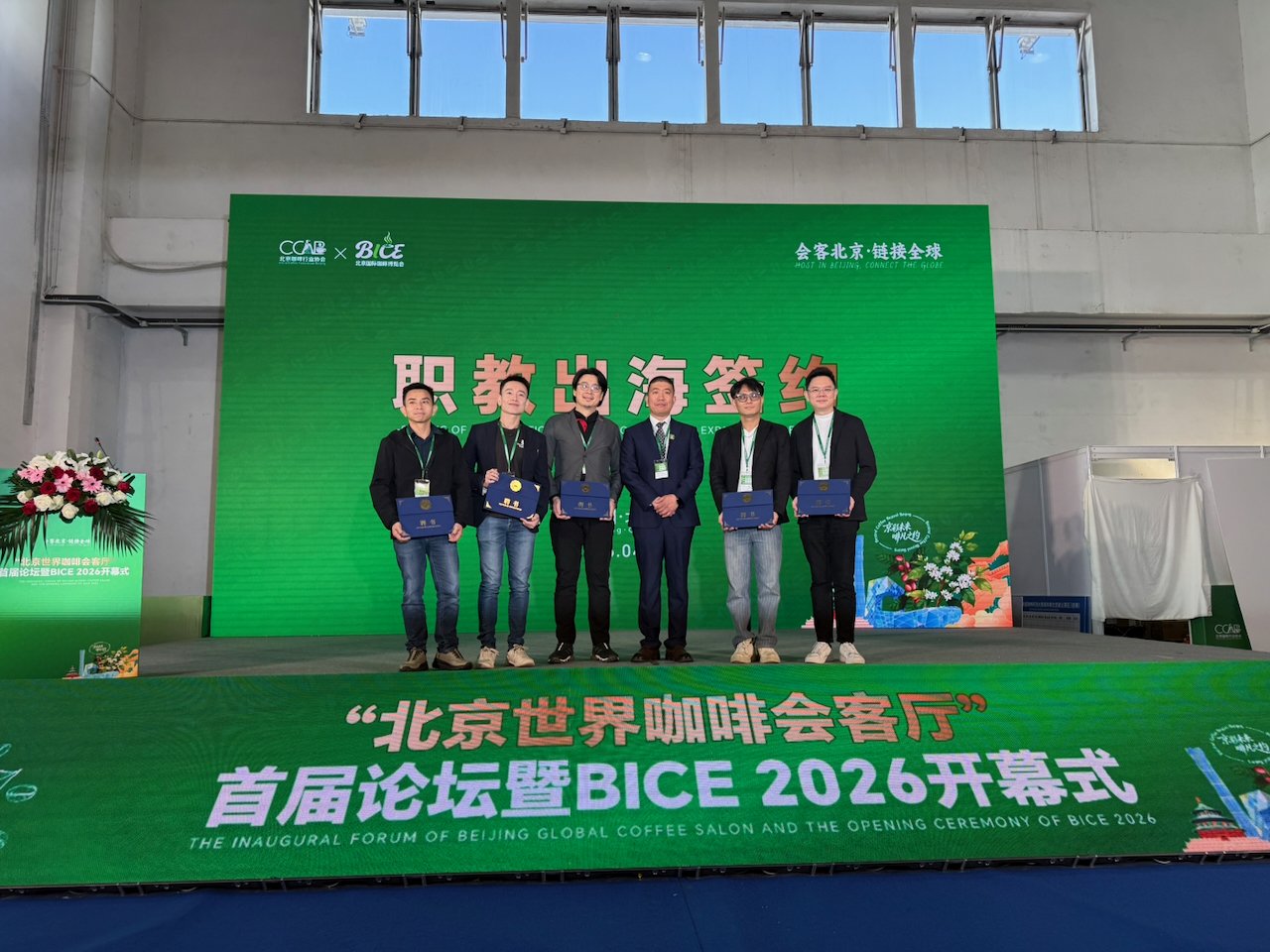




Last week, we were invited by the China Coffee Association Beijing (CCAB) to speak in Beijing on “The Coffee Consulate system and cross-species perspectives in coffee.” During the visit, we also formalised a three-year collaboration agreement. Toward the end of a panel discussion at the Beijing World Coffee Salon, I shared a brief observation: that contemporary coffee evaluation seems to be increasingly shaped by two opposing tendencies;dogmatism and nihilism.
This development is, in many ways, inevitable. Over the past two decades, the specialty coffee industry has invested tremendous effort in defining standards of quality, particularly through scoring systems. However, since the Specialty Coffee Association (SCA) officially moved away from its traditional scoring framework last year, this divide has become more visible and more pronounced.
For a long time, institutions across the industry have attempted to construct an “objective” system for evaluating coffee, often expressed through numerical scores. Yet such systems are rarely neutral. They tend to reflect the aesthetic preferences of dominant cultures within the field.
Over time, this can lead to a form of dogmatic evaluation, where a single framework is applied universally. At its extreme, coffee is reduced to a number—efficient and convenient, but ultimately unable to capture the diversity, context, and cultural dimensions inherent in coffee itself.
To be fair, organisations such as the SCA, CQI, and COE have already begun to recognise these limitations.
In contrast, recent developments, especially within the SCA, have shifted toward a more descriptive approach. Rather than assigning scores, this approach emphasises sensory language and encourages multiple interpretations of flavour. In practice, this seems aligns closely with what Coffee Consulate in Germany has been developing for more than a decade: a system that prioritises description over hierarchical judgment. The intention is to move beyond a single aesthetic framework and allow different coffees to be appreciated on their own terms.
However, when taken too far, this approach introduces a different problem. If all flavours can be justified as “good,” and no meaningful distinction can be made, evaluation itself begins to lose its grounding.
Discussions either fragment into subjective opinions or dissolve into polite agreement, ultimately leading to a kind of emptiness. In such cases, even mediocre, flawed, or degraded flavours may be reframed as “cultural preferences,” making them difficult to critique.
In today’s dominant narrative, once something is framed as “cultural,” it often becomes politically protected—sometimes to the extent that it can no longer be evaluated at all. As a result, basic standards of judgment begin to erode, and gradually, the very notion of quality becomes blurred.
This tension is not new. It echoes a philosophical debate that has existed for over two thousand years—from Plato’s theory of forms and Aristotle’s empiricism, to the later divide between rationalism and empiricism in European philosophy.
These debates remain unresolved not because they are flawed, but because each side captures part of the truth. It is therefore not surprising that this same dynamic now reappears in the world of coffee.
Perhaps this is precisely what makes the subject so compelling. It resembles the idea of wave–particle duality in physics: reality can be both structured and fluid, depending on how we choose to observe it. In coffee, this duality is equally relevant.
For quality control, we need structure; something measurable and consistent.
For flavour exploration, we need openness; something descriptive and flexible.
The real question, then, is not which approach is more correct, but whether we are able to navigate between them. It is less about choosing a position, and more about defining appropriate boundaries.
In some contexts, scoring systems are essential for improving quality and creating value. In others, descriptive approaches are necessary to break existing frameworks and explore new possibilities, including the potential of different coffee species.
Ultimately, the challenge of coffee evaluation does not lie in whether standards should exist, but in how we prevent them from becoming monopolistic, or from dissolving entirely into incoherence.