Could the Seeds in My Bag Change the Future of Borneo Coffee ?
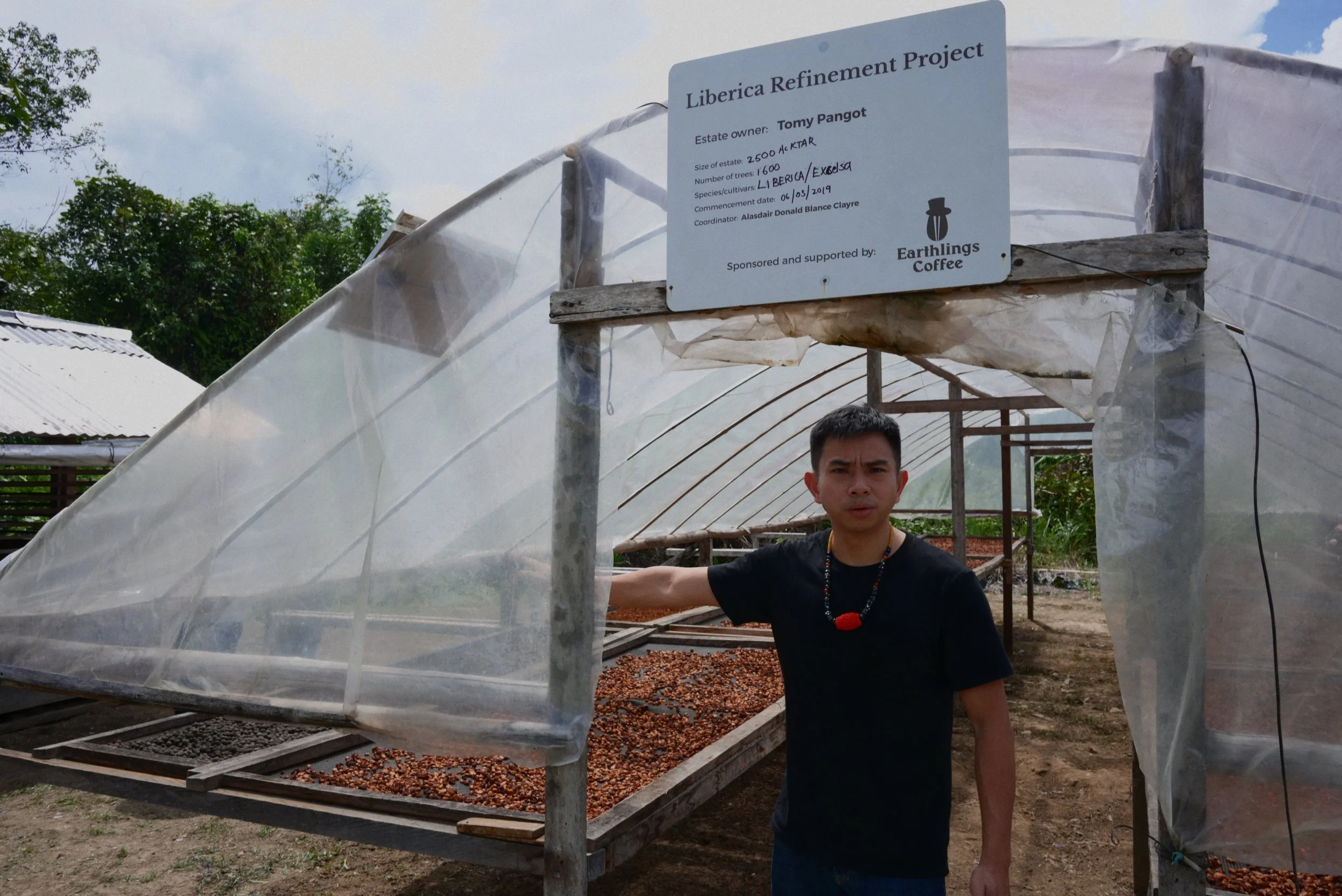
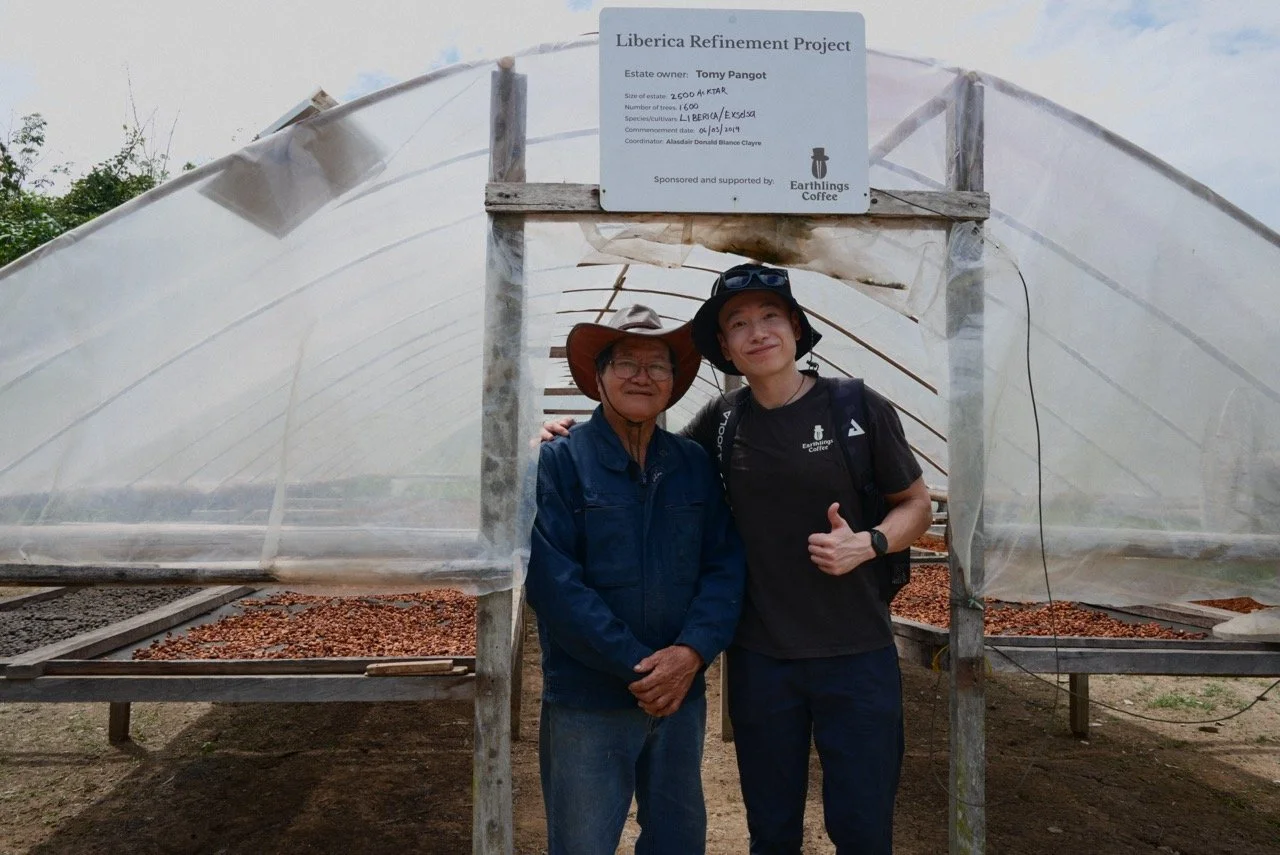
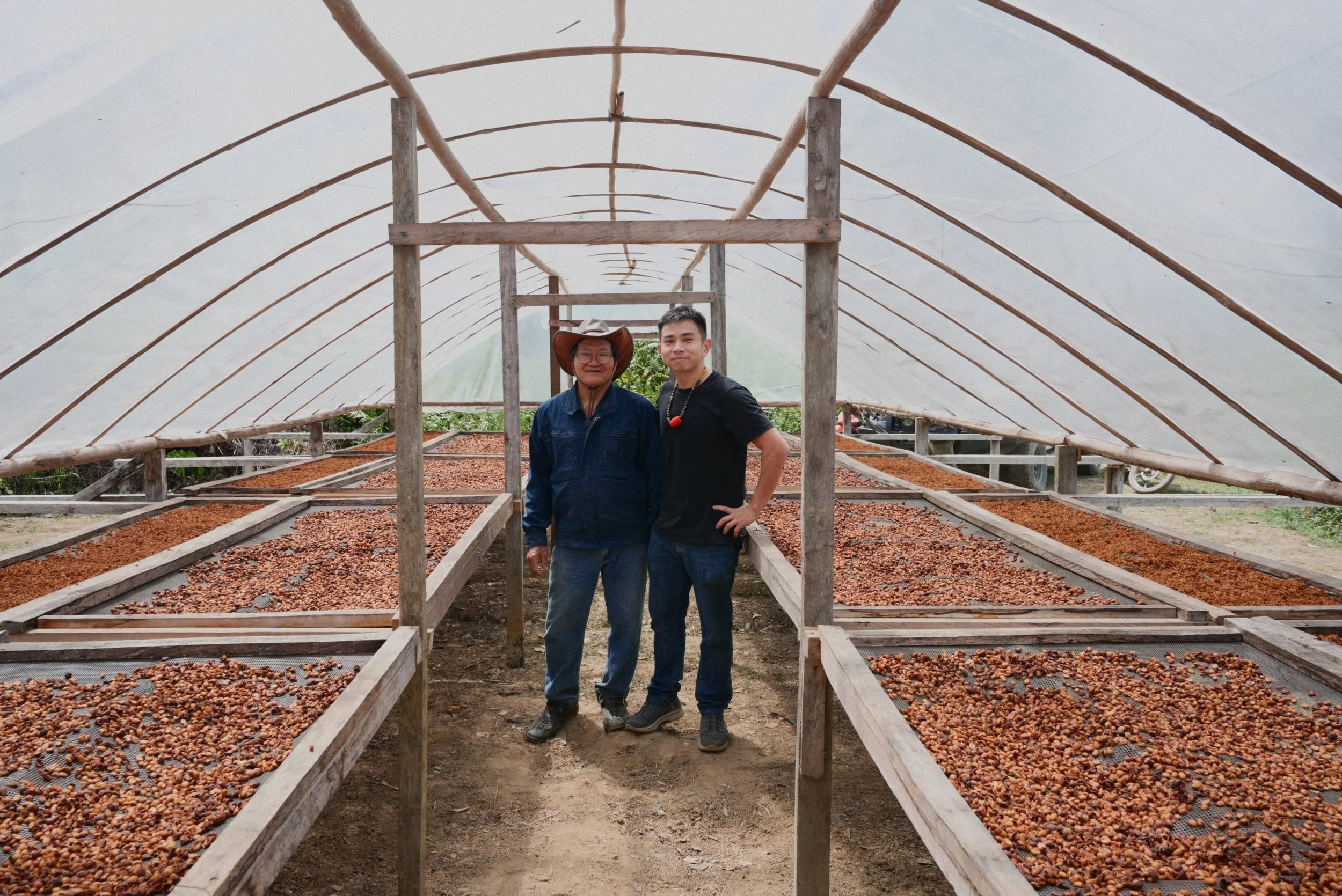
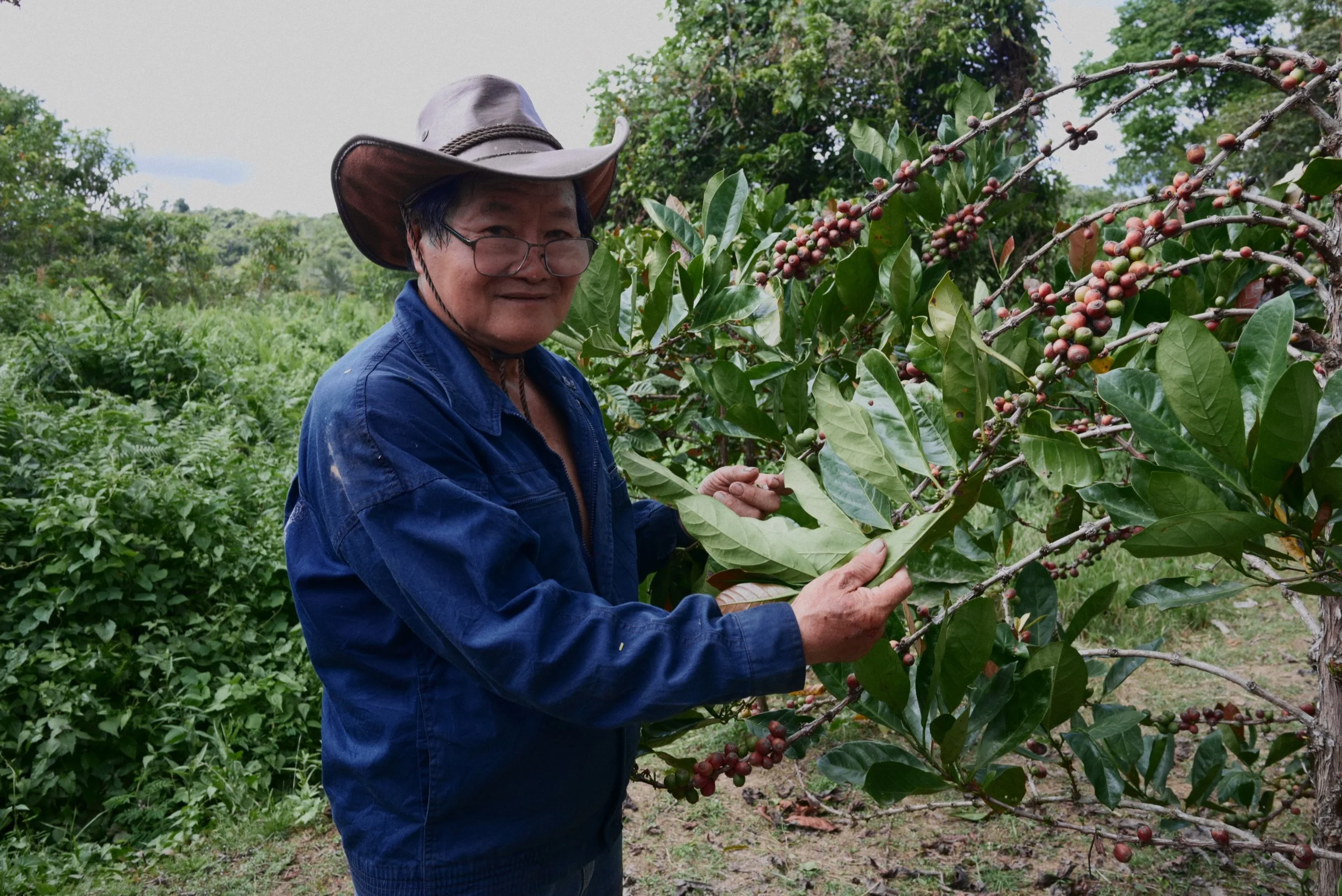
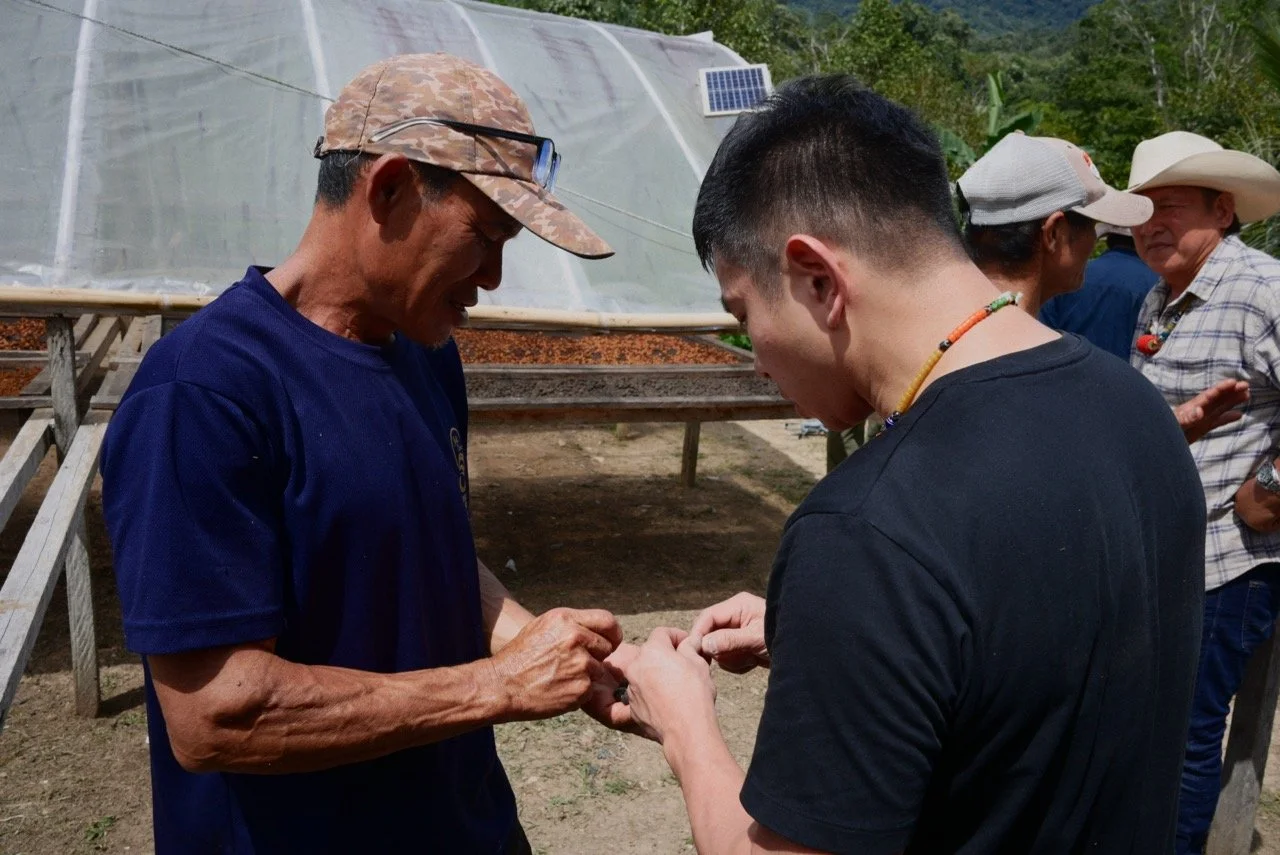
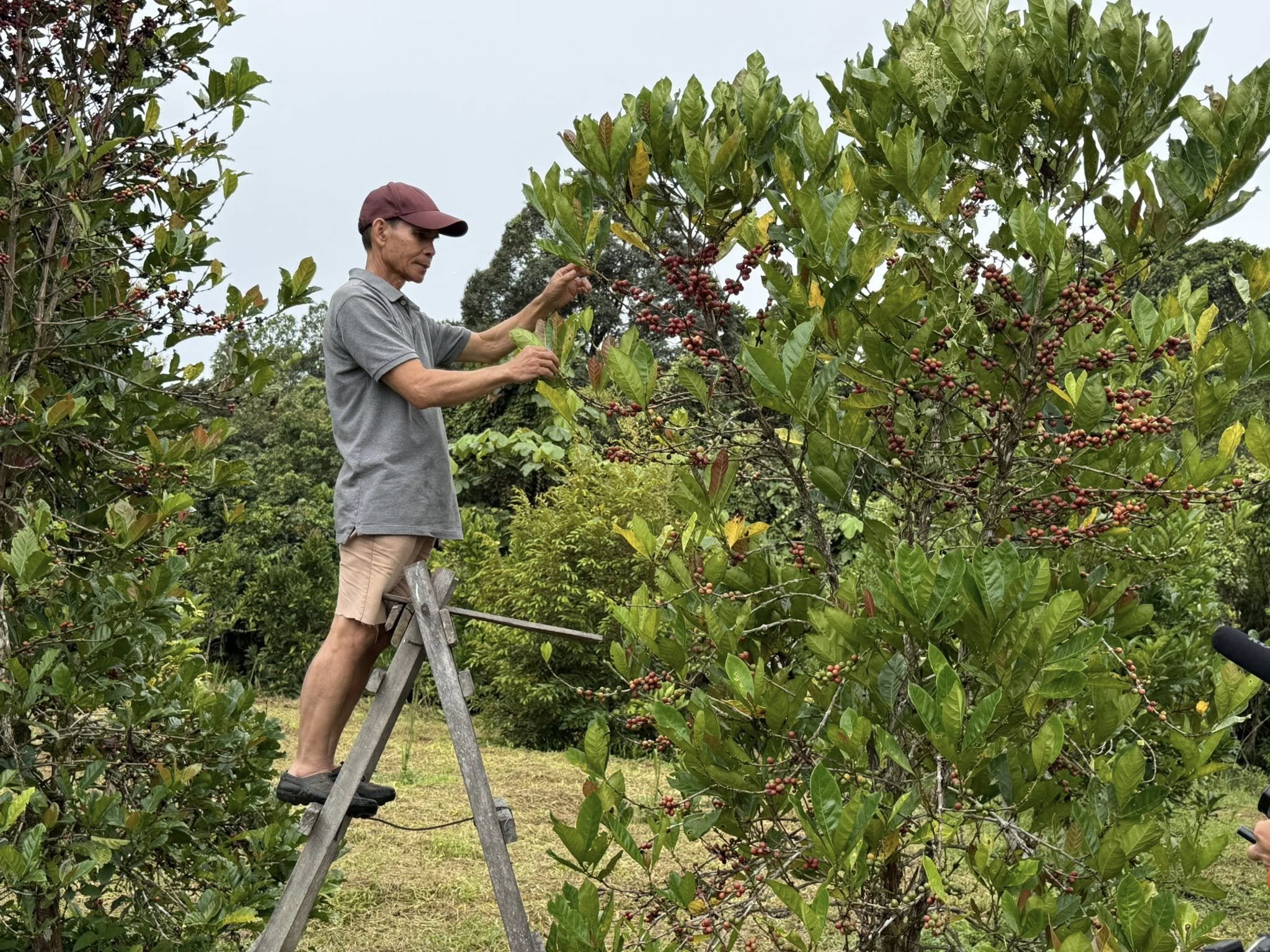
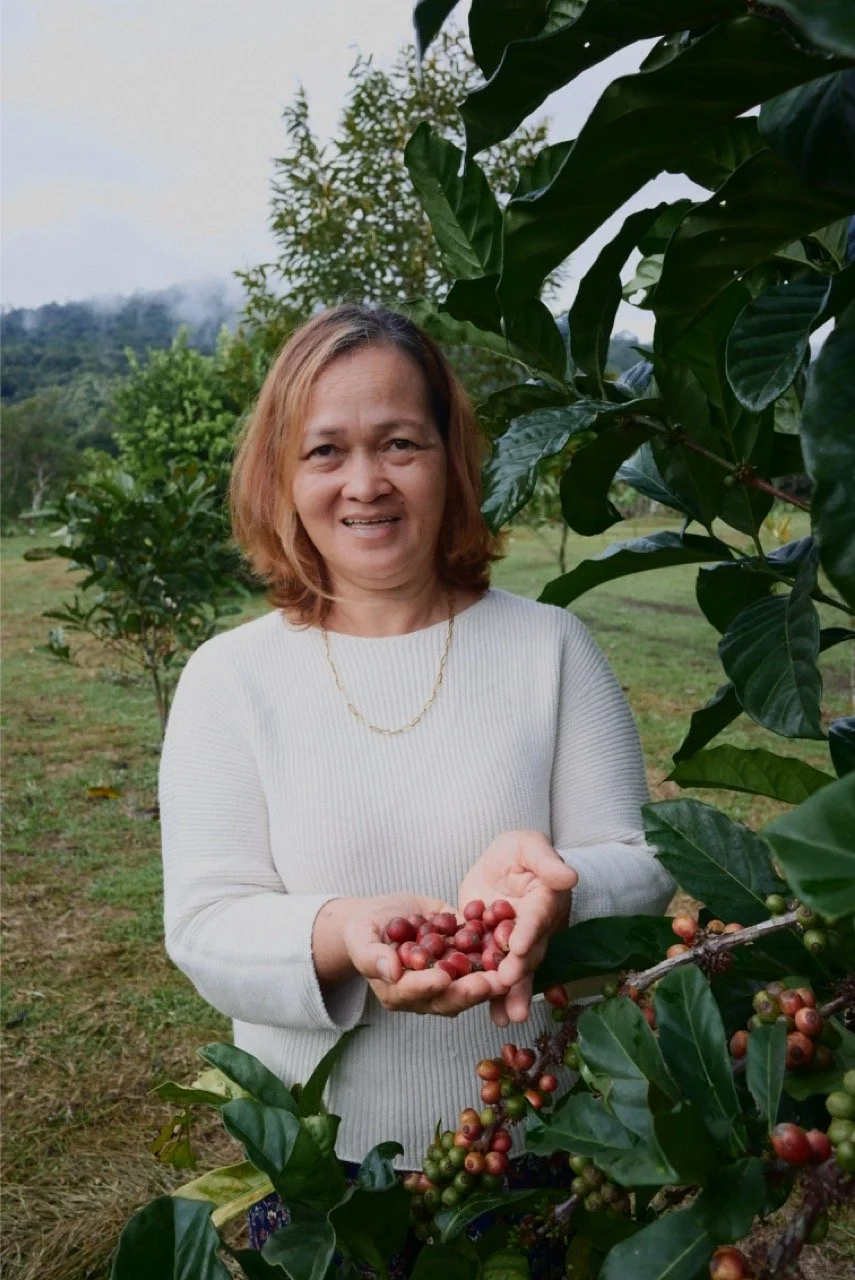
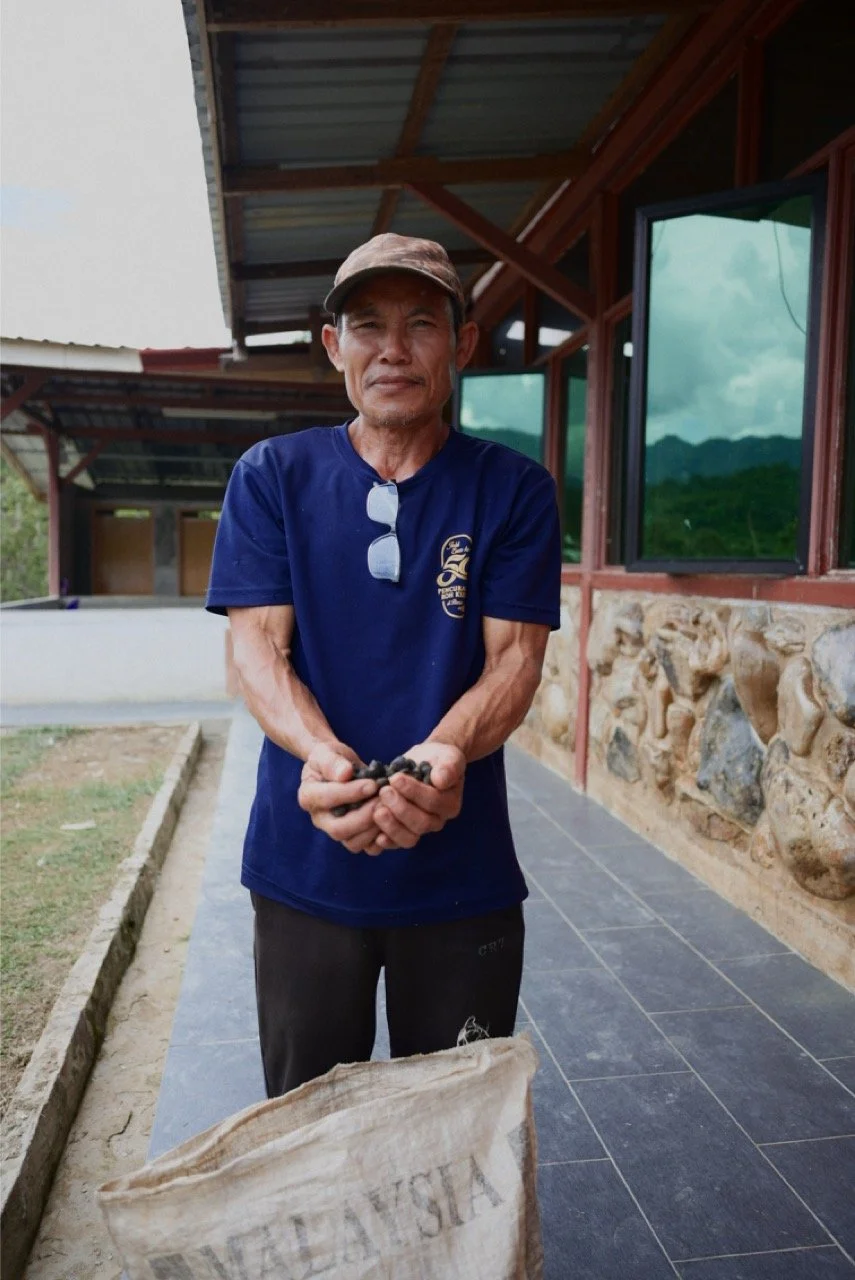
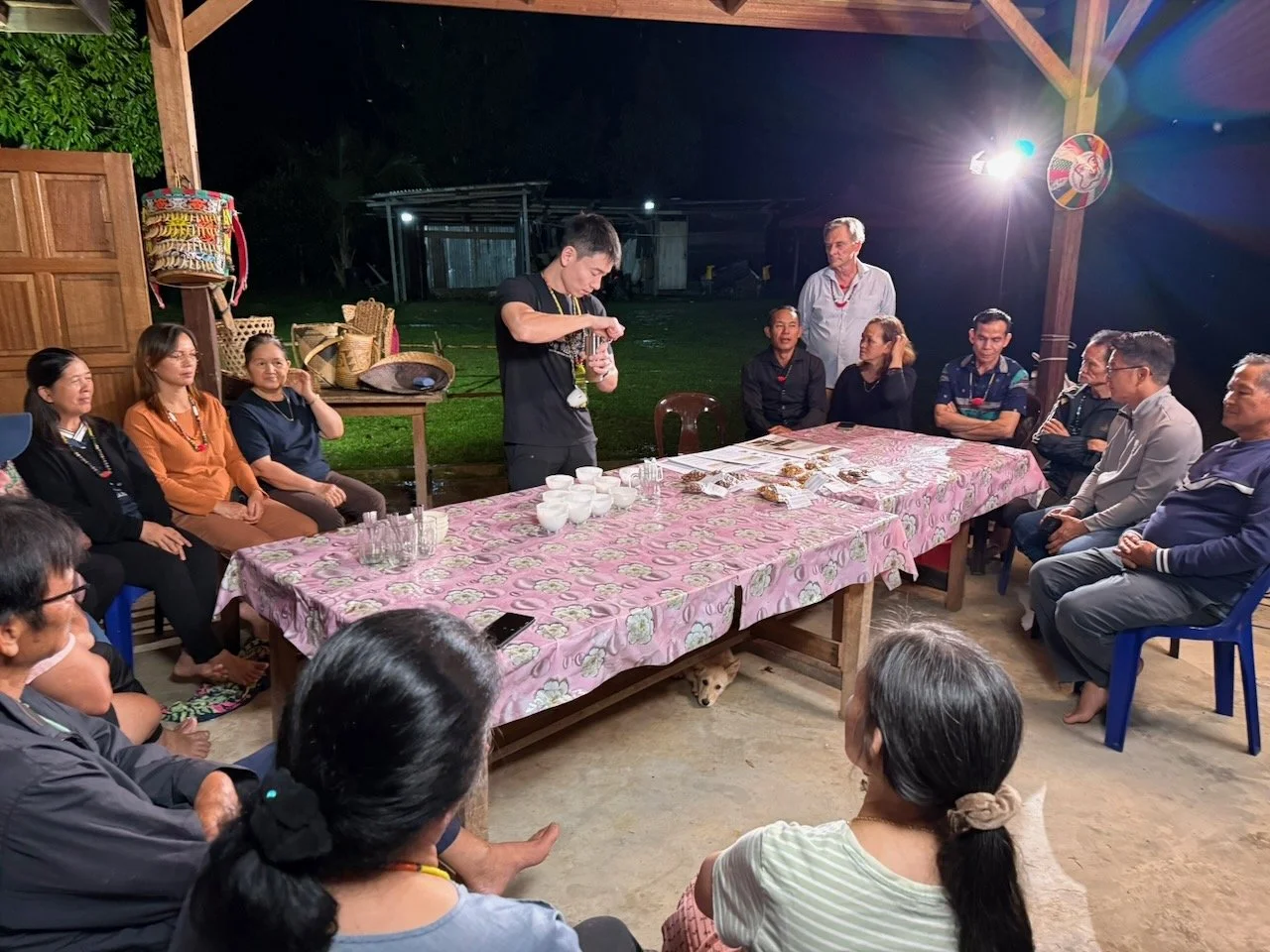
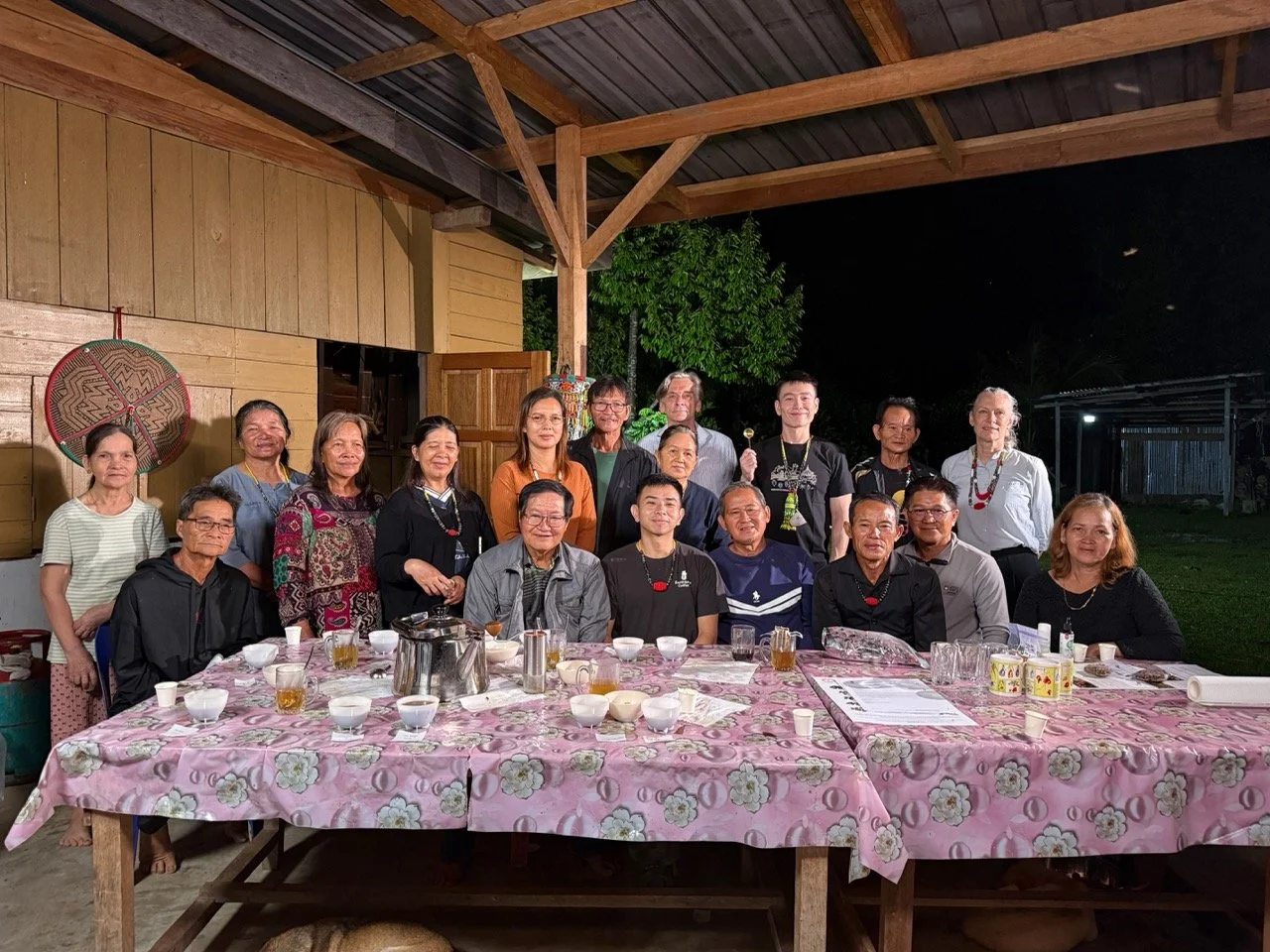
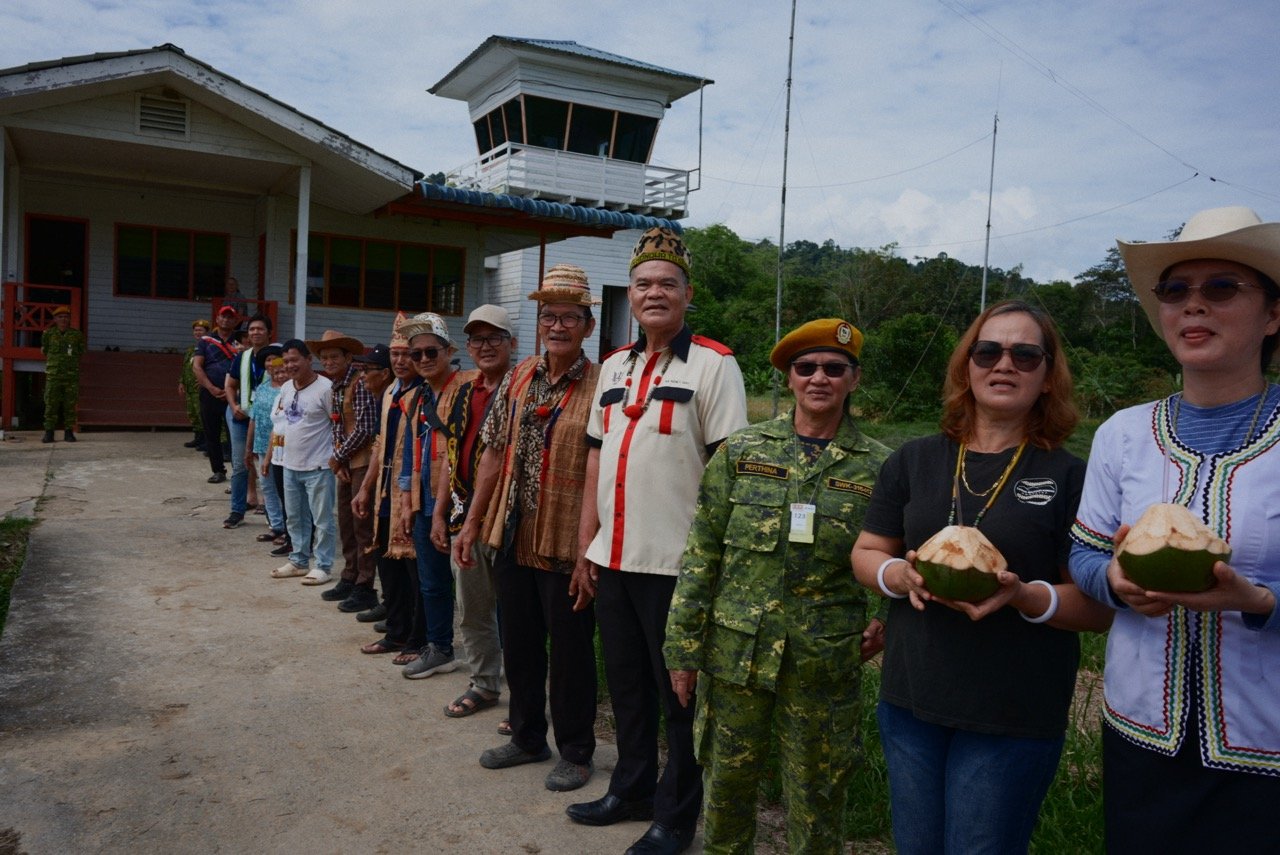
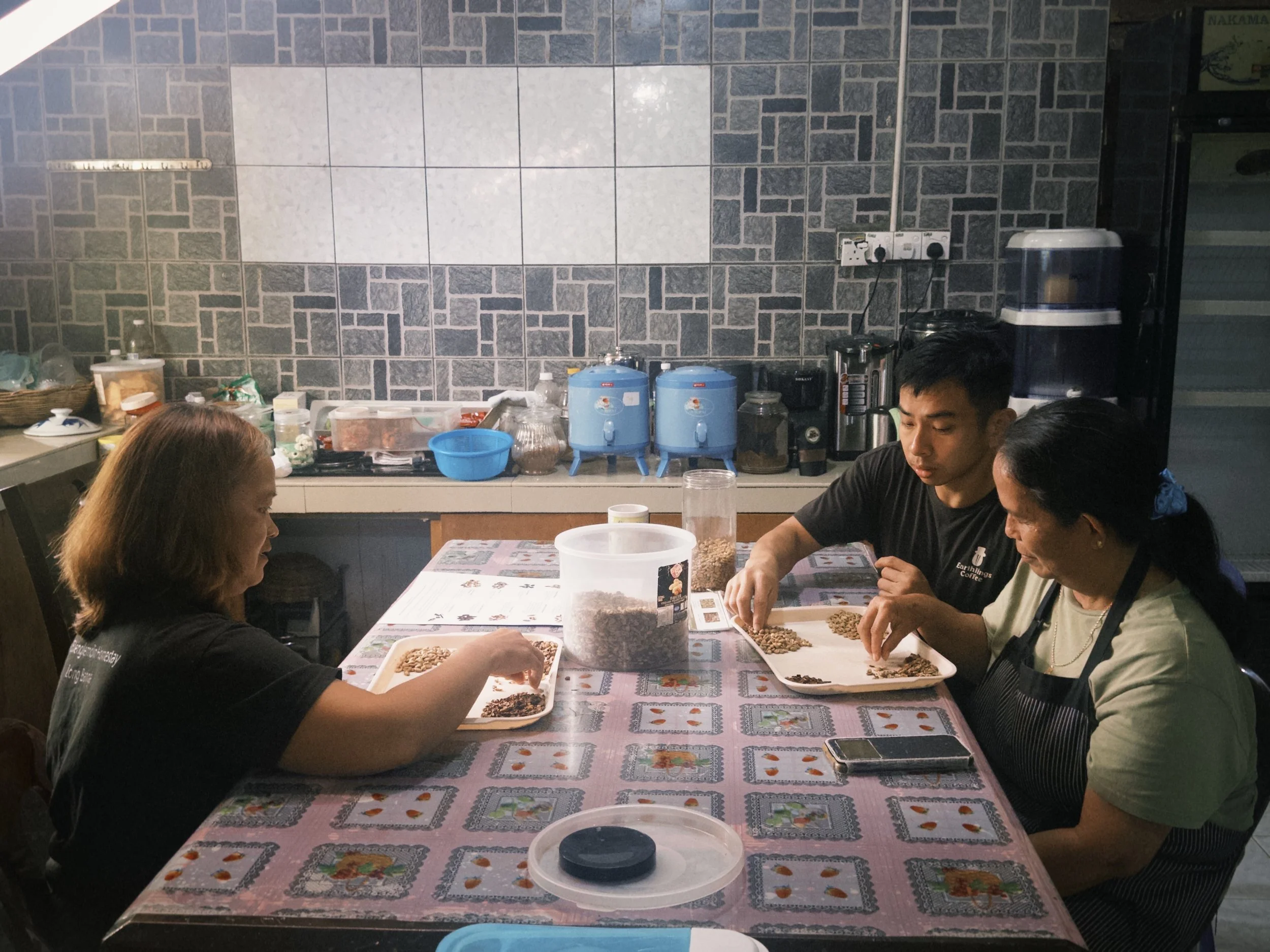
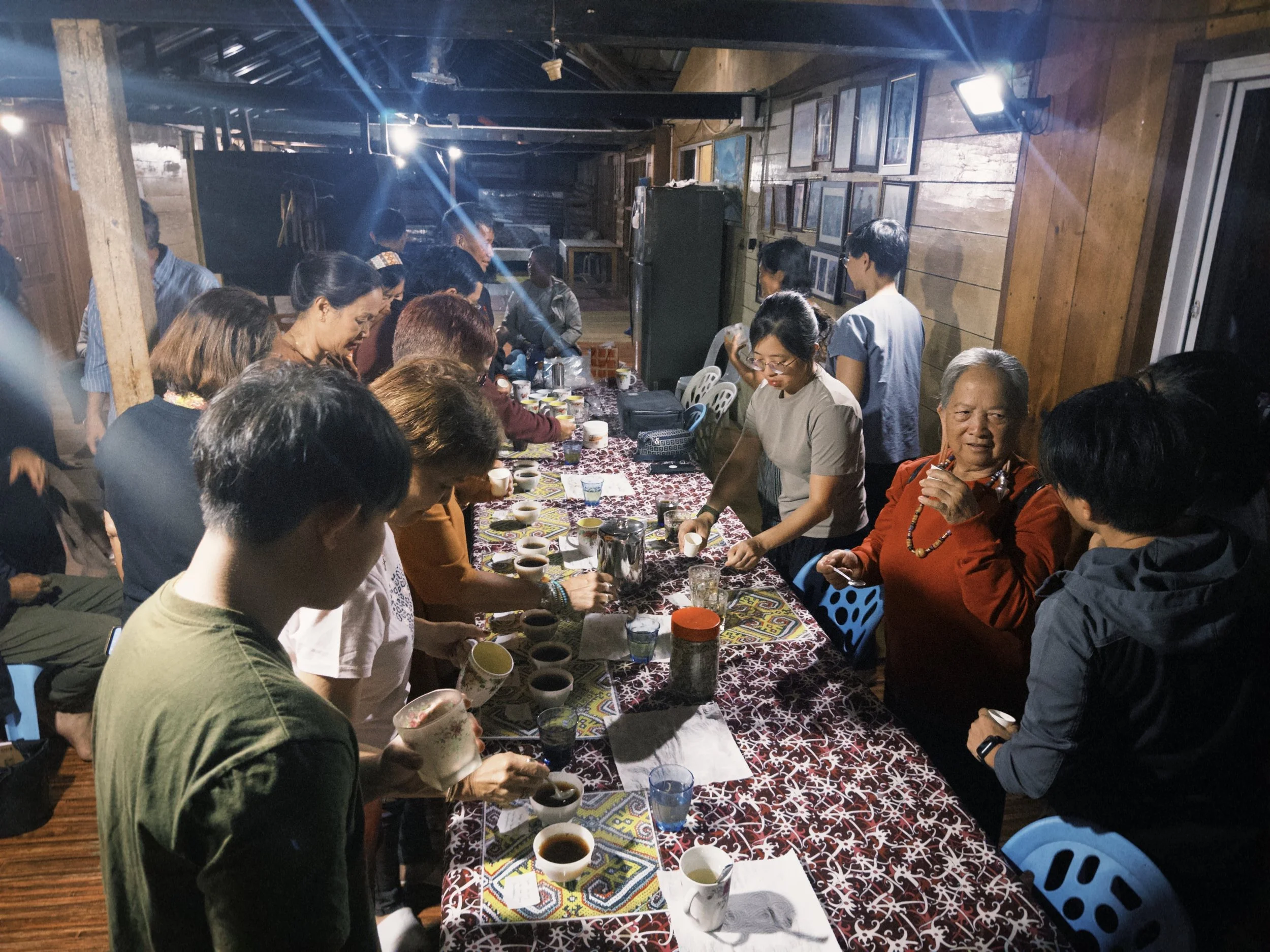
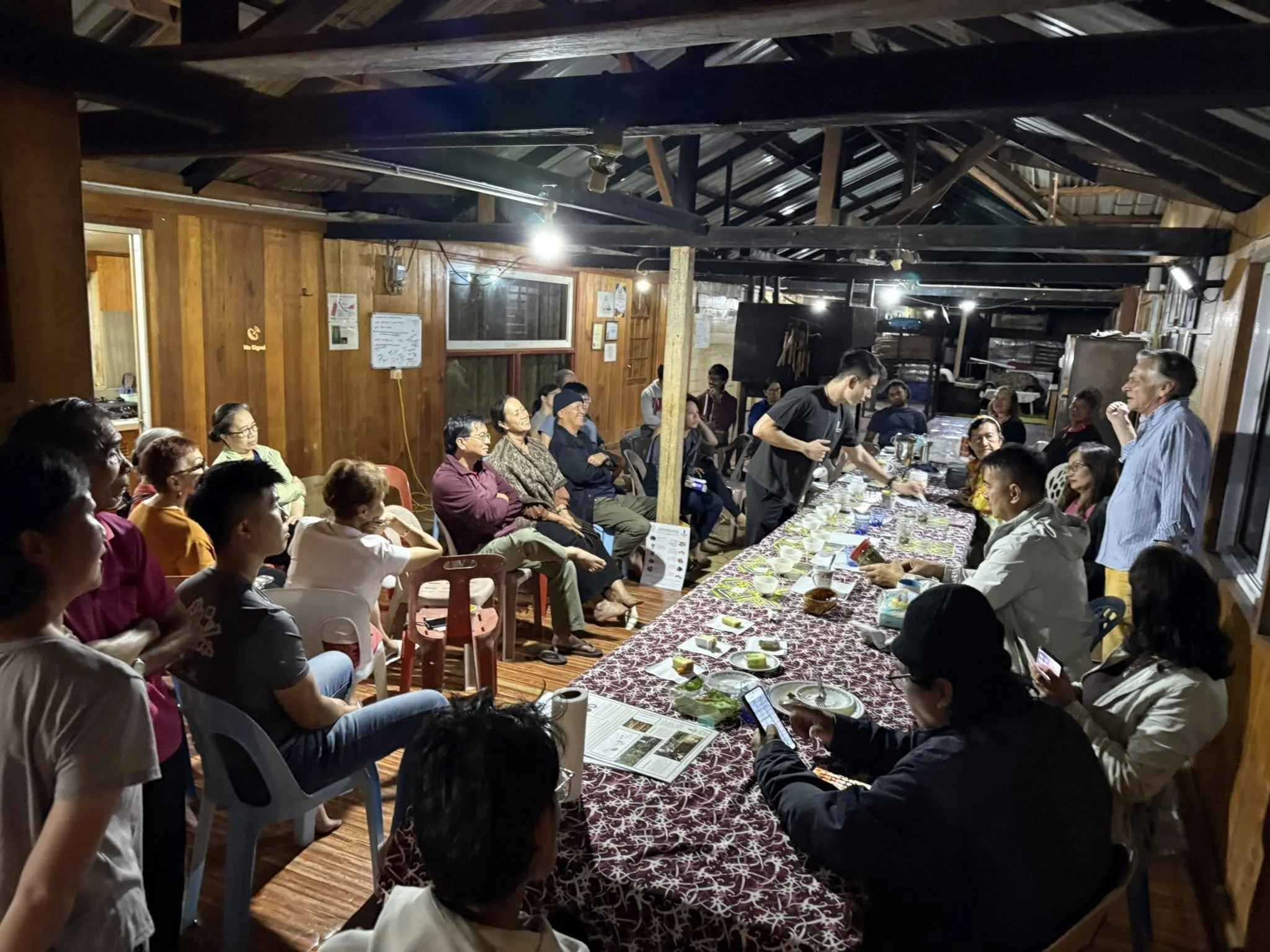
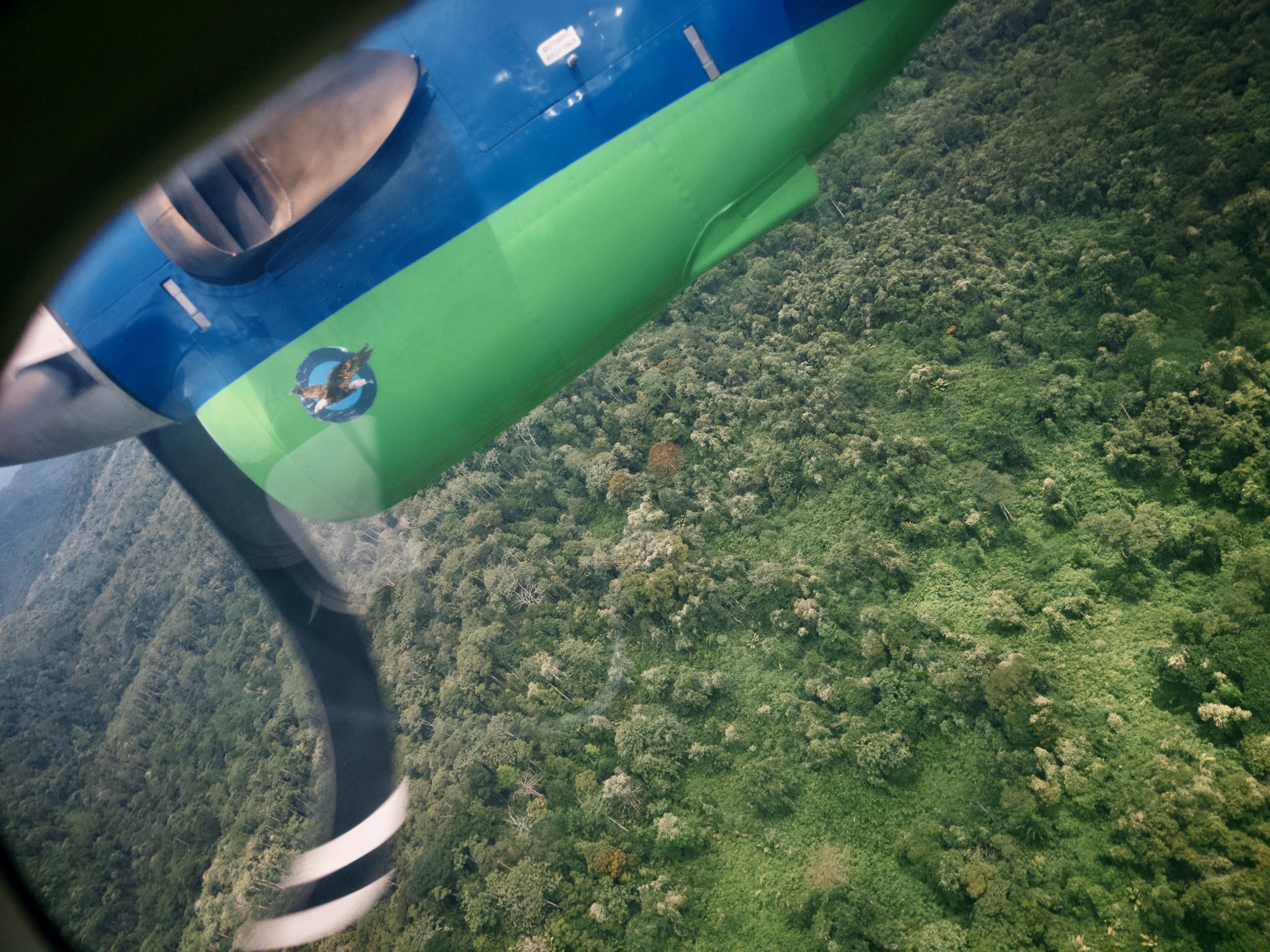
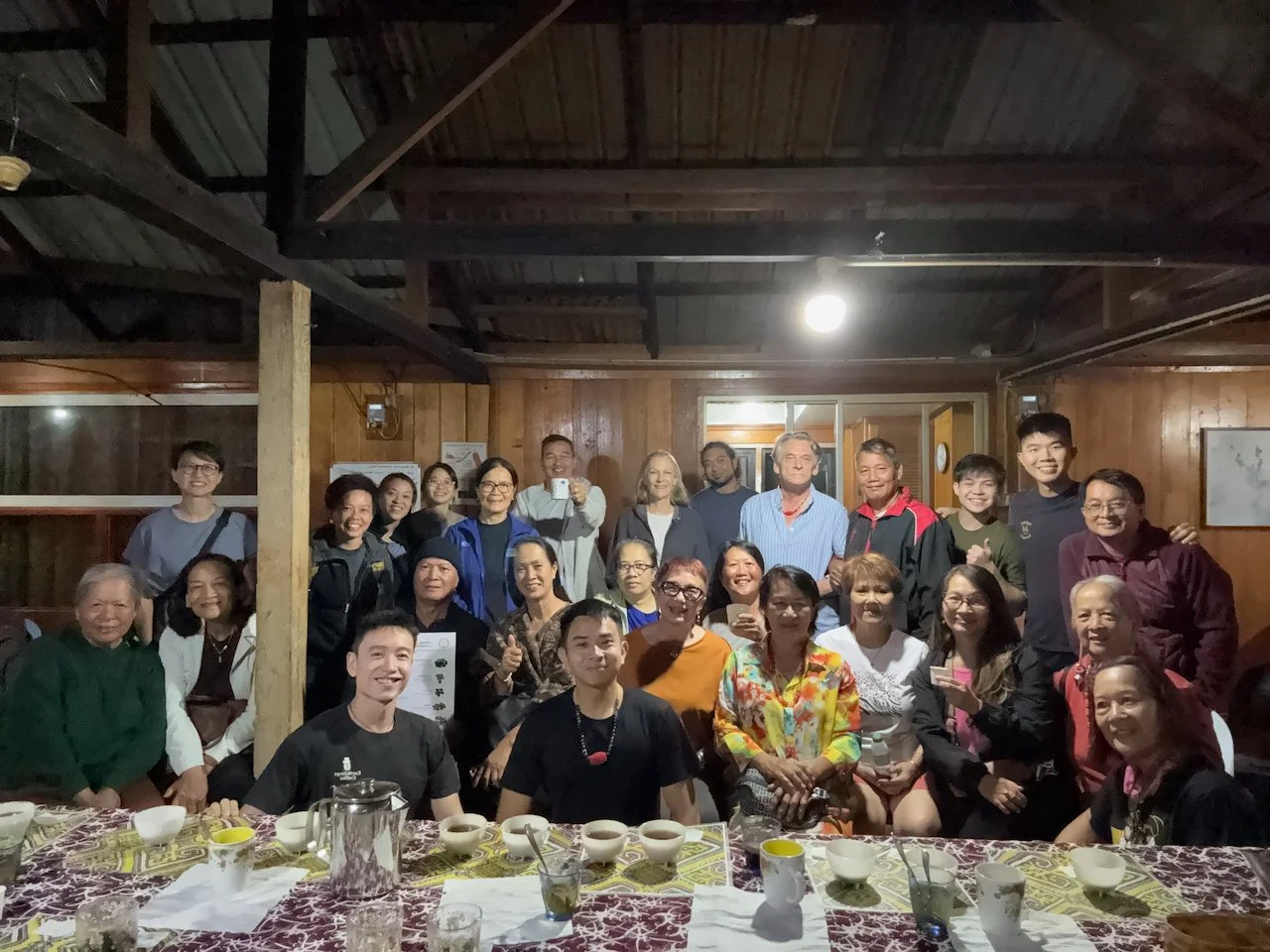
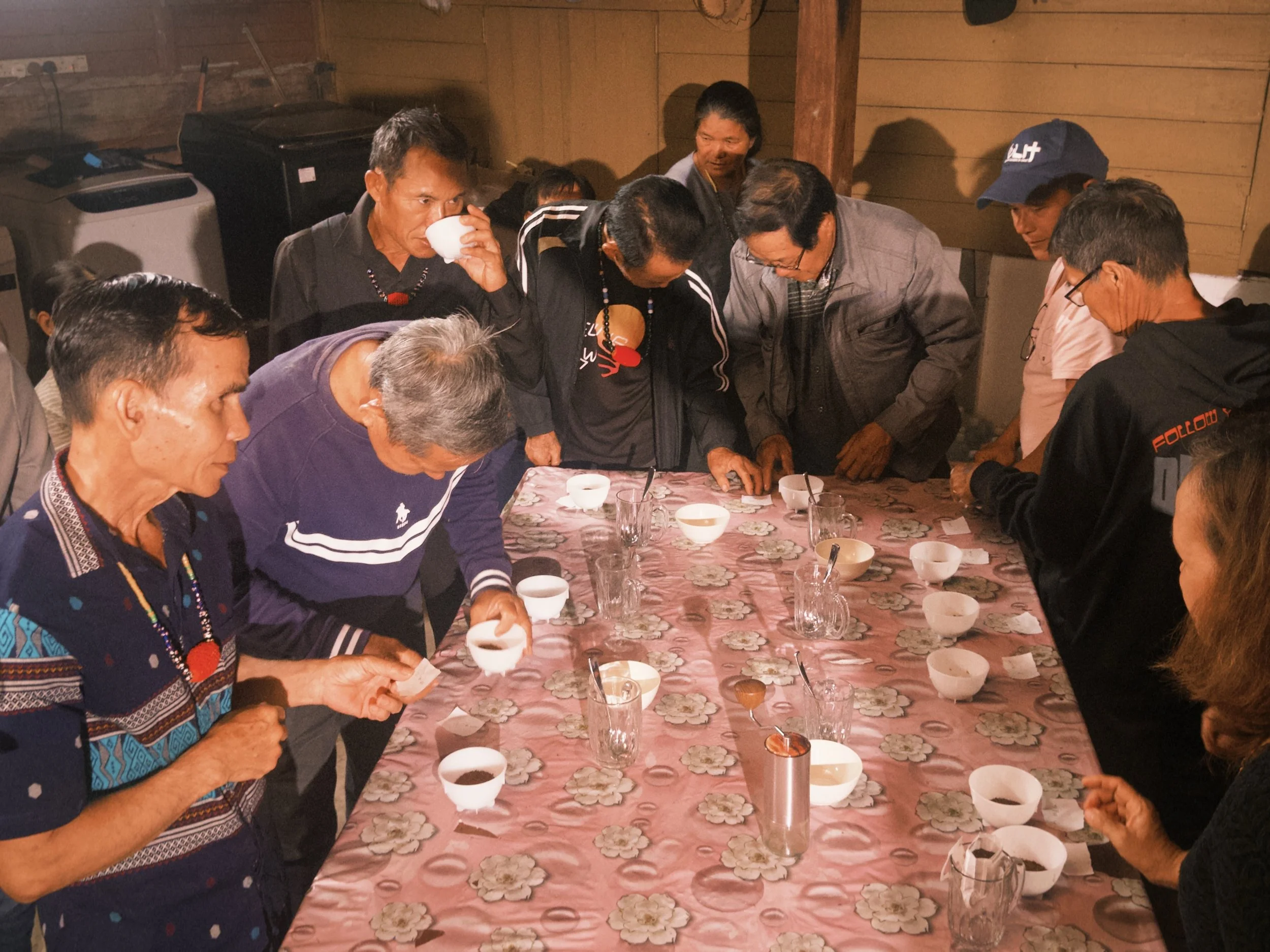
Over the past week, we have been living somewhere between a small twin-engine aircraft and coffee trees — travelling deep into the interior of Borneo: Long Banga, Long Balong, and the Bario Highlands. We spent our time sharing post-harvest knowledge with local communities, conducting cupping sessions together, and discussing how different processing methods influence flavour.
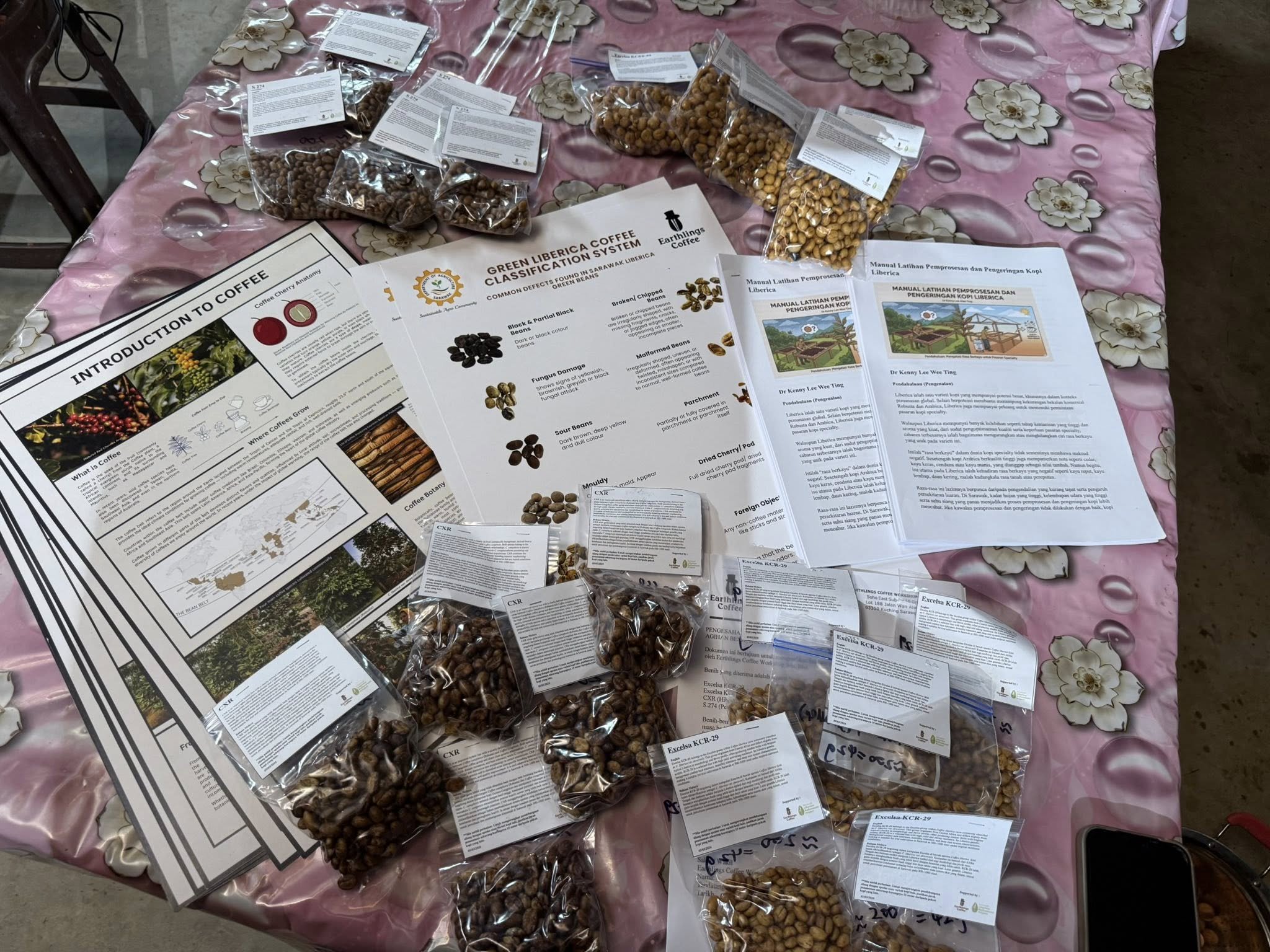
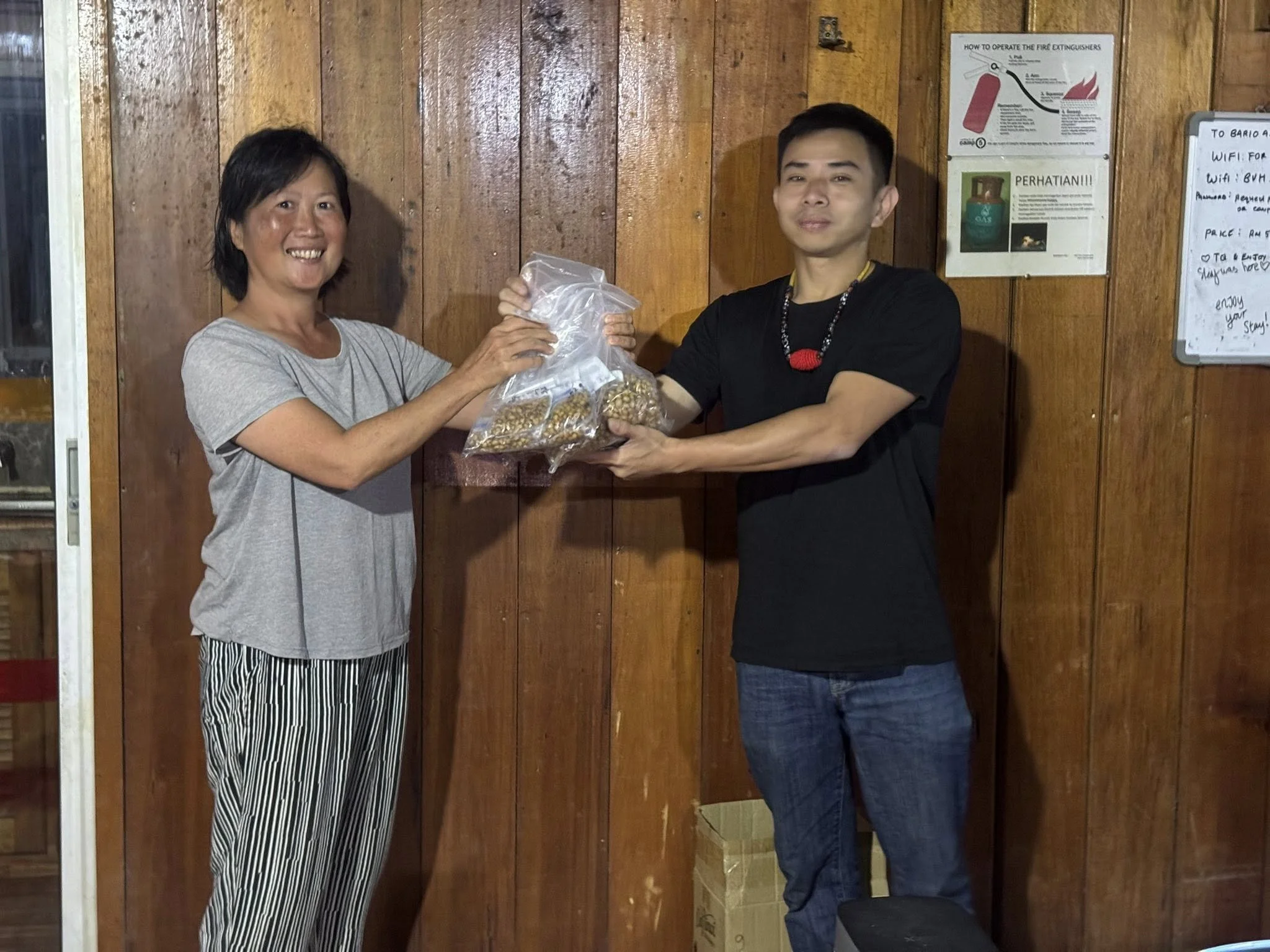
Throughout the journey, I carried with me a small bag containing four coffee varieties: Excelsa KCR-29 (small-fruited), Excelsa KCRB-94 (large-fruited), CXR, and S.274. To some, this may simply be a bag of seeds. But to me, they represent a set of questions about the future of coffee.
It took us nearly a year — waiting for the right season and mobilising multiple networks — to finally assemble these seeds. All four are high-yielding, high-quality, and most importantly, among the few coffee types that have strong potential to thrive in Sarawak's environment.
The first two are distinct Excelsa types, while CXR is a hybrid between Coffea congensis and Coffea canephora. S.274, on the other hand, is a selected Robusta line known for its stable high yield and strong adaptation to hot, humid, high-rainfall tropical conditions such as those found in Sarawak.
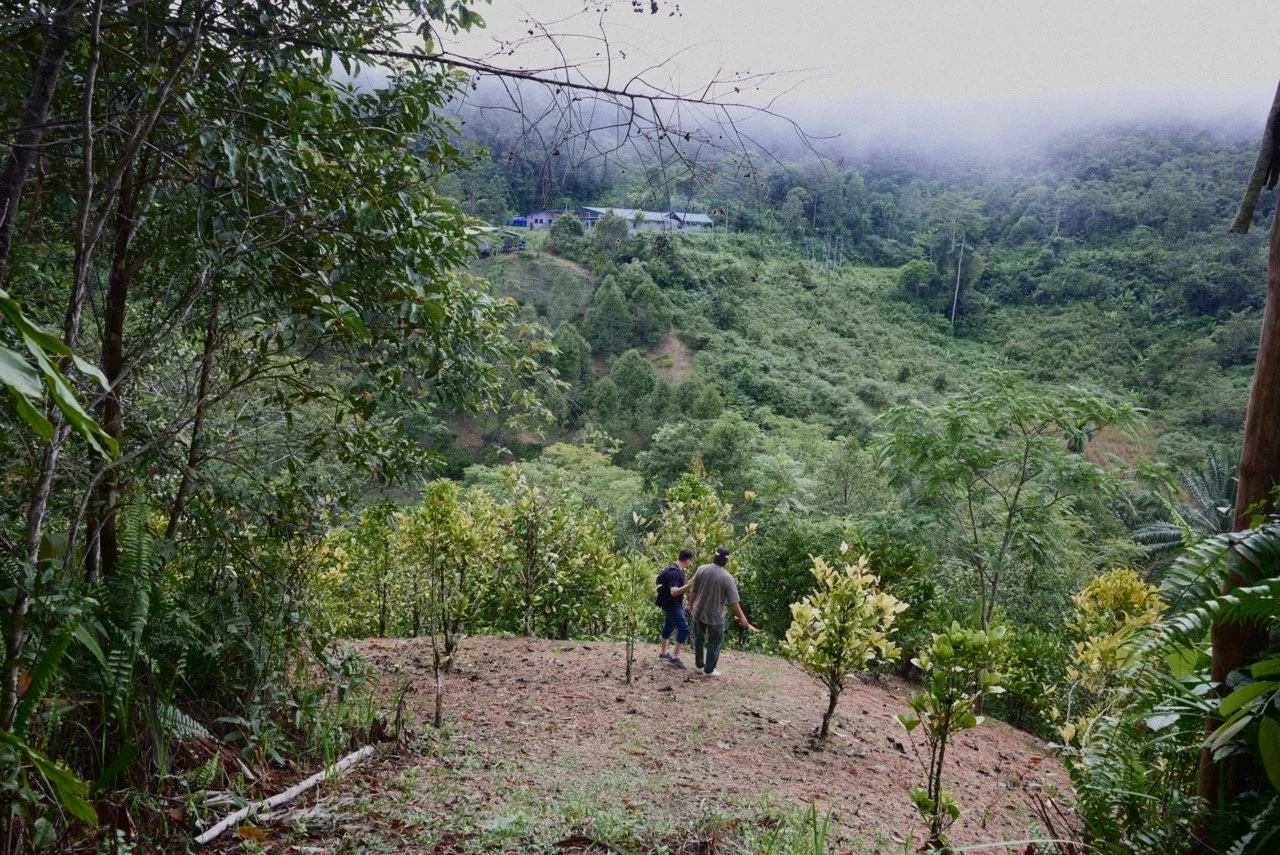
Before the journey began, we planted the first trial batch at the Semenggoh Agriculture Research Center in Kuching (0 metres above sea level). We then flew to Long Banga (approximately 500 metres), and finally to the Bario Highlands (around 1,000 metres) to continue planting.
In other words, we established three experimental plots across three different elevations in Sarawak.
Why Not Just Stick With Liberica?
At first glance, this arrangement may seem unnecessarily complicated. But in reality, it serves two clear purposes: first, to understand which coffee species are best suited for Sarawak under future climate conditions; and second, to provide local coffee growers with more options, thereby increasing diversity within the coffee system.
Some local farmers have asked me: "Sarawak already has its own unique Liberica — why go through all this trouble?"
The answer is simple. If we are serious about the future of coffee in Sarawak, we must think long-term.
A Fragile Industry Built on Two Species
Most people drink coffee every day, yet very few realise how structurally fragile the global coffee industry actually is. Nearly all coffee worldwide comes from just two species: Arabica and Robusta (Canephora).
That's it. A multi-billion-dollar industry built upon essentially two branches of a single family tree. It is, in many ways, the agricultural equivalent of putting all your eggs in one basket.
Climate change is now making this vulnerability increasingly apparent. Studies, including those referenced by the International Coffee Organization (ICO), suggest that under future climate scenarios, the suitable growing area for Arabica could decline by nearly half. If that happens, the global coffee industry will be forced to confront a difficult question: what else can we grow?
The Rise, Fall, and Return of Liberica
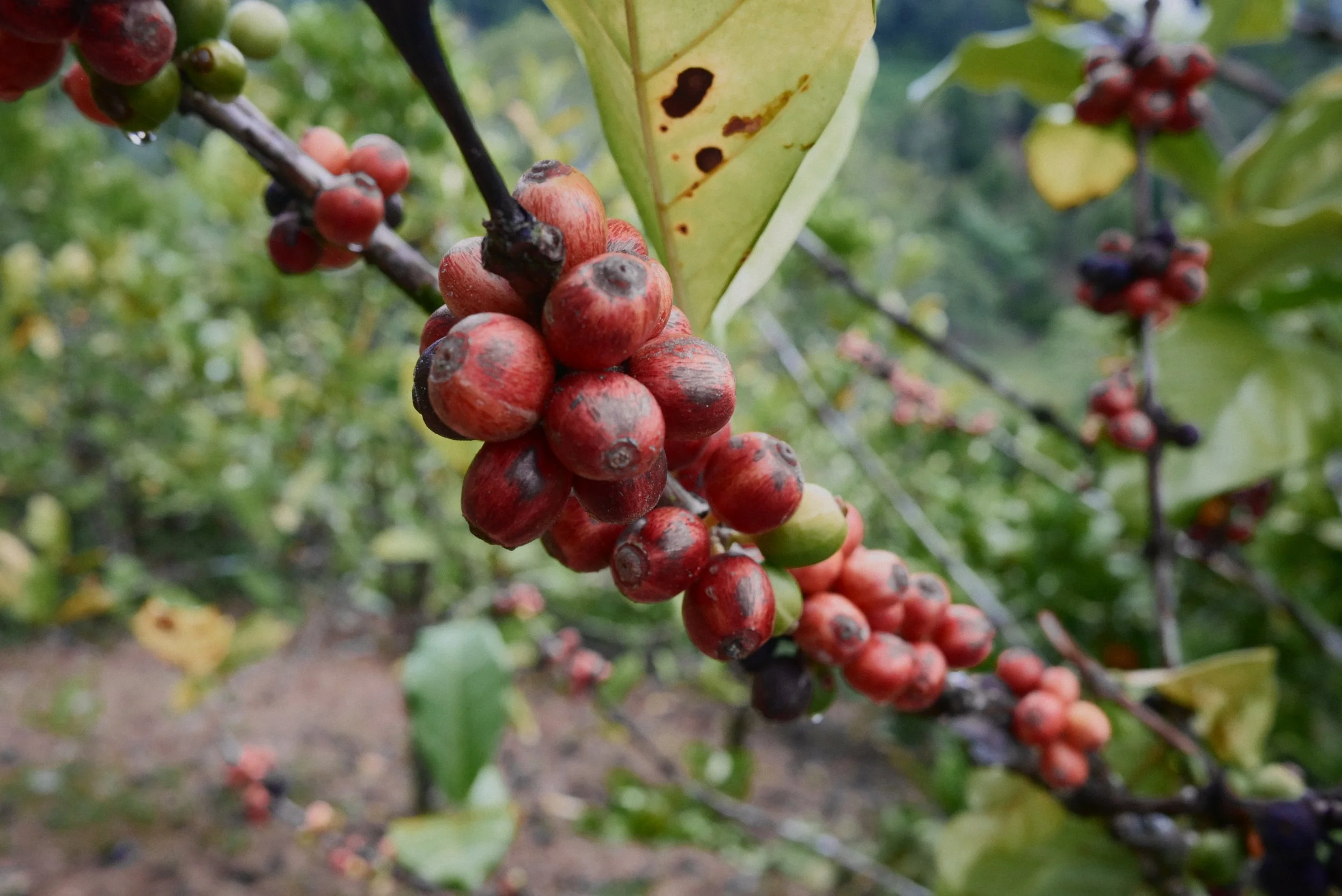
As I have mentioned in previous writings, coffee history once had a third major player: Liberica. In the late 19th century, when Arabica in Asia was devastated by coffee leaf rust, Liberica was introduced as a replacement. It can grow at low elevations, tolerate higher temperatures, and perform relatively well in humid conditions. From an agronomic perspective, it is a remarkably resilient species.
Yet over time, Liberica was gradually replaced by Robusta. The reason was straightforward: productivity and processing challenges. Traditional Liberica produces large fruits with thick pulp, making processing and drying more difficult. When not handled properly, it often develops what many describe as a "woody" flavour.
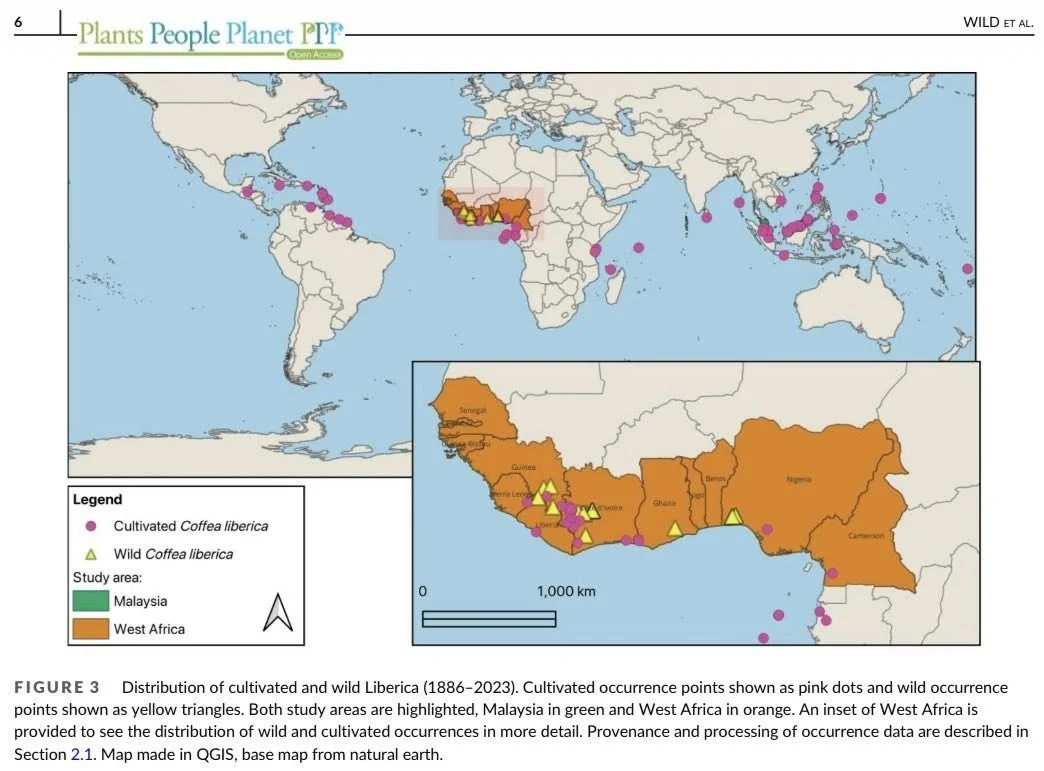
As a result, Liberica was largely abandoned by the global coffee industry, surviving mainly in Malaysia, while the world settled into an Arabica–Robusta system that has persisted for over a century.
Recent research, however, has brought an important update to our understanding. For a long time, Excelsa was considered merely a variety of Liberica, but modern taxonomic studies now clearly distinguish them as separate species.
In simple terms, Liberica is Coffea liberica, while Excelsa is Coffea dewevrei. They originate from different African forest regions and differ in morphology, agronomy, and even flavour.
This distinction matters, because different species imply different adaptive capacities to climate.
Furthermore, both Coffea liberica and Coffea dewevrei contain diverse internal variants. Sarawak's so-called "Liberica," for example, represents a unique local lineage with notable differences in both morphology and cup profile. We will formally update these botanical insights in our upcoming genomic research publication.
What the Science Says
In collaboration with the Royal Botanic Gardens, Kew, our recent study — "Climate requirements for cultivated Liberica coffee and consequences for its use and development as a crop species"— represents the first global-scale analysis of Liberica's climate niche.
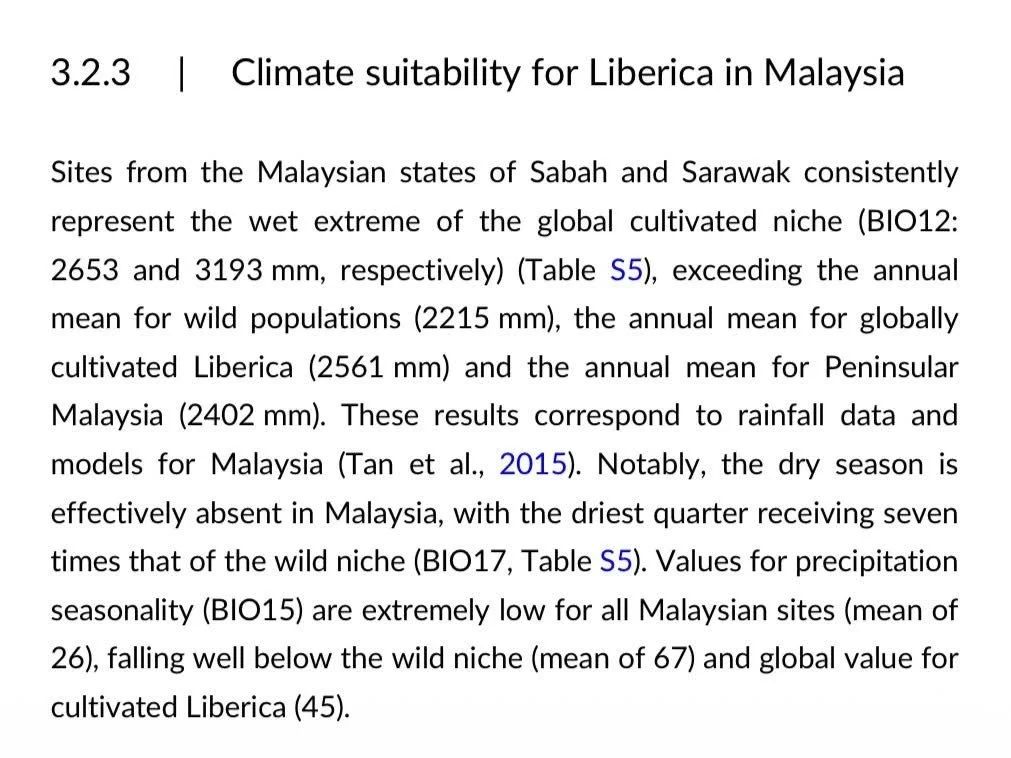
The findings are compelling. Liberica is indeed capable of thriving under higher temperatures, higher humidity, and lower seasonality. In a warming world, this positions it as a potentially important crop.
However, the study also highlights a critical point: regions like Sarawak are already near the upper edge of Liberica's climatic tolerance. From field observations across both East and West Malaysia, it is evident that while Liberica can survive and produce fruit in Sarawak, many trees are under physiological stress. Issues such as anthracnose are also more severe here.
This is not surprising. Sarawak's climate is defined by heavy rainfall, minimal dry season, and consistently high temperatures. These conditions are workable, but they are far from optimal. And if climate change continues, the margin for error will only narrow.
This is precisely why we have begun triallingExcelsa and other coffee types.
Why Excelsa?
From an agronomic perspective, Excelsa offers several advantages.
Yield: Field observations indicate that a single tree can produce 4–8 kg of green beans, with older trees sometimes exceeding 10 kg — placing it on par with many Robusta systems.
Processing: Unlike traditional Liberica, Excelsa has smaller fruits with thinner pulp, making pulping and drying significantly easier — an important advantage in humid rainforest conditions.
Flavour: Excelsa often presents more approachable profiles, with notes such as cocoa, dried fruits, and maple syrup. It is generally less intense, less "wild," and therefore easier to integrate into existing global coffee markets.
Yet to me, the most important consideration is not flavour, but smallholder economics.
What This Means for Sarawak's Smallholders
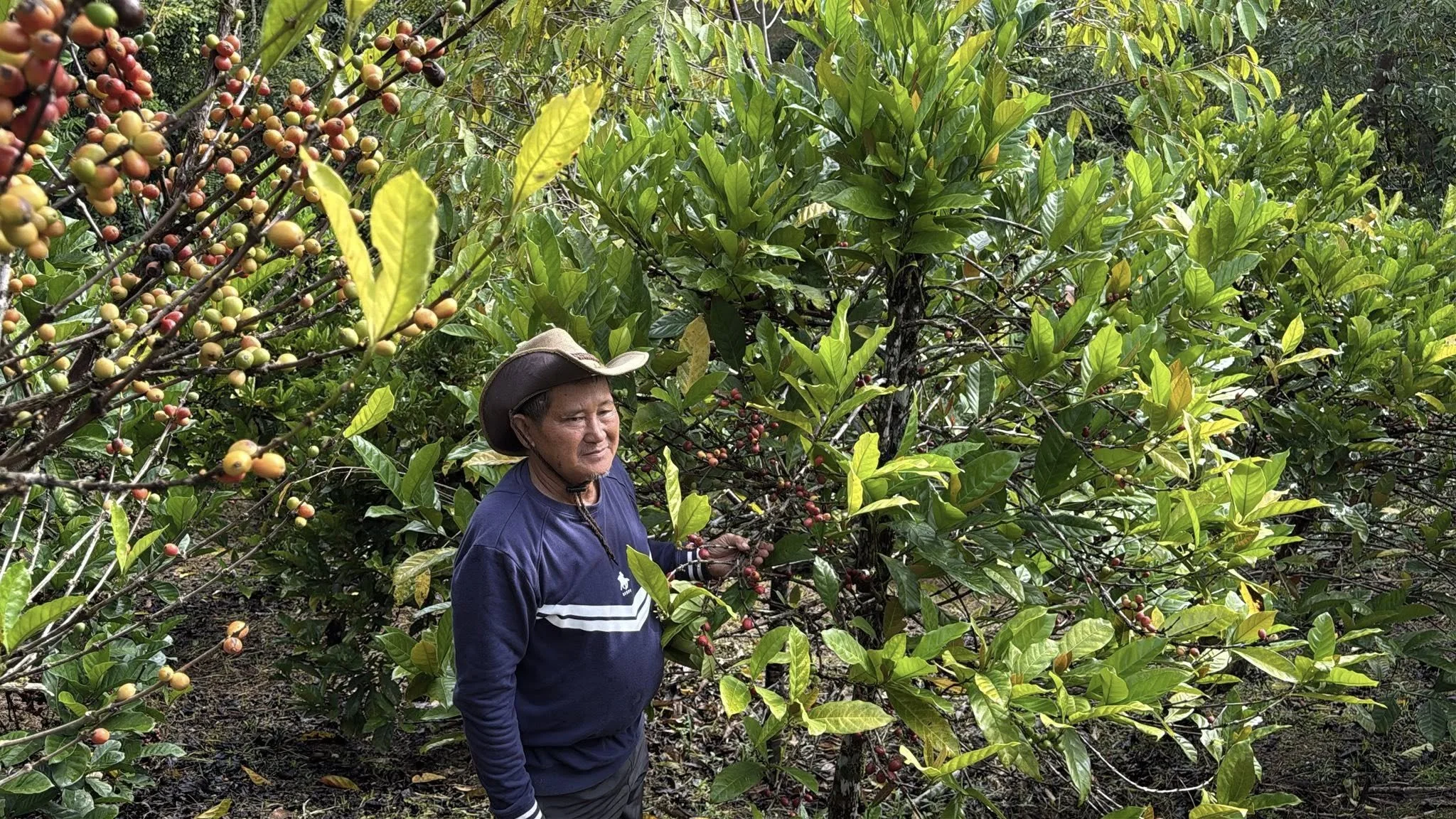
In Sarawak, most coffee farmers are not large estate operators. They are smallholders, often cultivating between 300 to 900 trees. For these farmers, a crop that yields twice as much can effectively double their income, significantly improving the sustainability of coffee as a livelihood.
Additionally, both Liberica and Excelsa exhibit an interesting phenological trait: in regions with evenly distributed rainfall, they can flower and fruit throughout the year. For large plantations, this is a disadvantage due to the lack of synchronised harvest. But for smallholders, it is an advantage — they can harvest gradually, process in manageable batches, and avoid the need for large, short-term labour inputs.
Three Plots. Three Elevations. One Question.
At present, our work in Sarawak is still simple in structure. We have established three experimental plots: Kuching (0 m), Long Banga (500 m), and Bario (1,000 m). The same set of coffee types — Liberica, Excelsa, CXR, and S.274 — are planted across these elevations. In the coming years, we will begin to see patterns emerge, allowing us to better understand which coffee species are best suited to which altitudes in Sarawak.
Many people assume that scientific research happens in laboratories. But in reality, much of it begins in a much simpler way: finding a piece of land, planting a few trees, and observing them year after year.
Perhaps ten years from now, when global coffee systems begin to shift under climate pressure, people may look back and realise that somewhere in the rainforests of Borneo, a small group had already begun experimenting.
The future of Sarawak coffee may well be hidden among a few trees in Kuching, Long Banga, and Bario.
Of course, none of this work is done alone. It is supported by dedicated members of the Sarawak Department of Agriculture at ARC, and by the farmers of Long Banga and Bario — those who trust us and walk this journey together, working under sun, rain, and sweat.
I would also like to extend special thanks to our supporting farmer partners from India (who prefer to remain unnamed), as well as Diana Jitam, Alasdair Clayre, Dr. Steffen Schwarz, and Sam Mei Jean for their continued support.